
liman-tech
← All industries
Machine tools

Metalworking

Vibration and current diagnostics, OEE and remaining-life forecasting for machine tools – from 1–2 machines to a holding-wide fleet. No in-house diagnostics team? We run it remotely.

Strongest combination
Vibration + Current + OEE + tool RUL

This mix delivers the most on the industry's key process stages. Details in the cards below.

Key equipment
Lathes and milling machinesMachining centresGrinding machinesVertical and gantry machinesPresses and hydraulic power unitsSpindle assemblies and gearboxes
−60–80%
spindle unexpected failures
a defect is visible 2–6 months before breakdown
+15–25 pts
OEE
from a typical 45–55% up to 65–75%
×1.5–2.5
spindle service life
and −20–35% scrap thanks to tool RUL
12–18 months
payback
for a shop, by our calculations and benchmarks
How it works

Where we look on the machine — and what we see

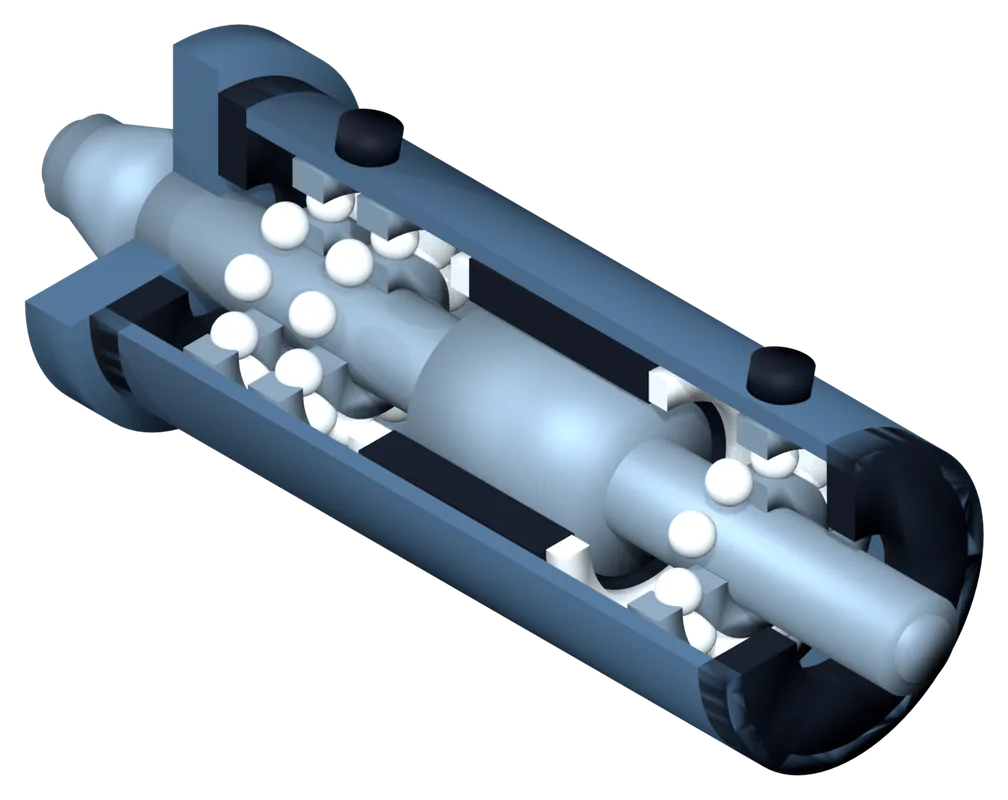
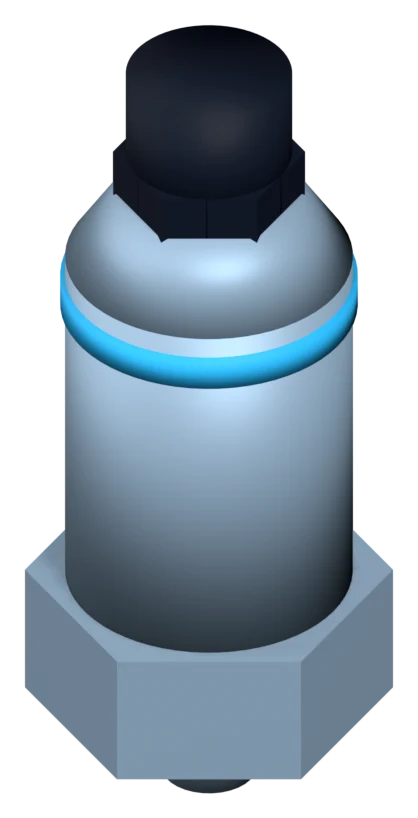
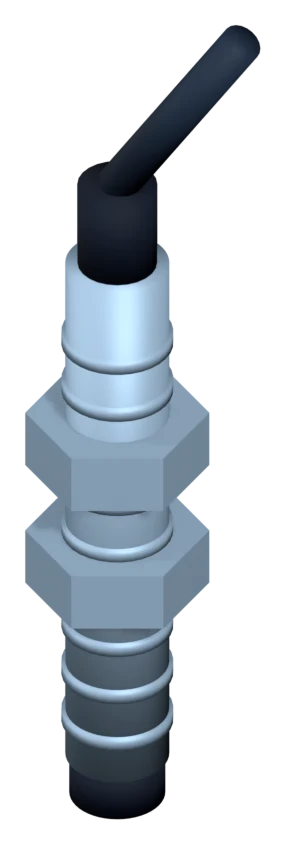
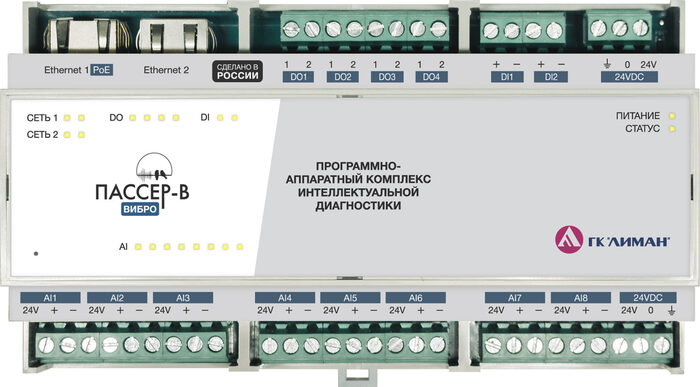
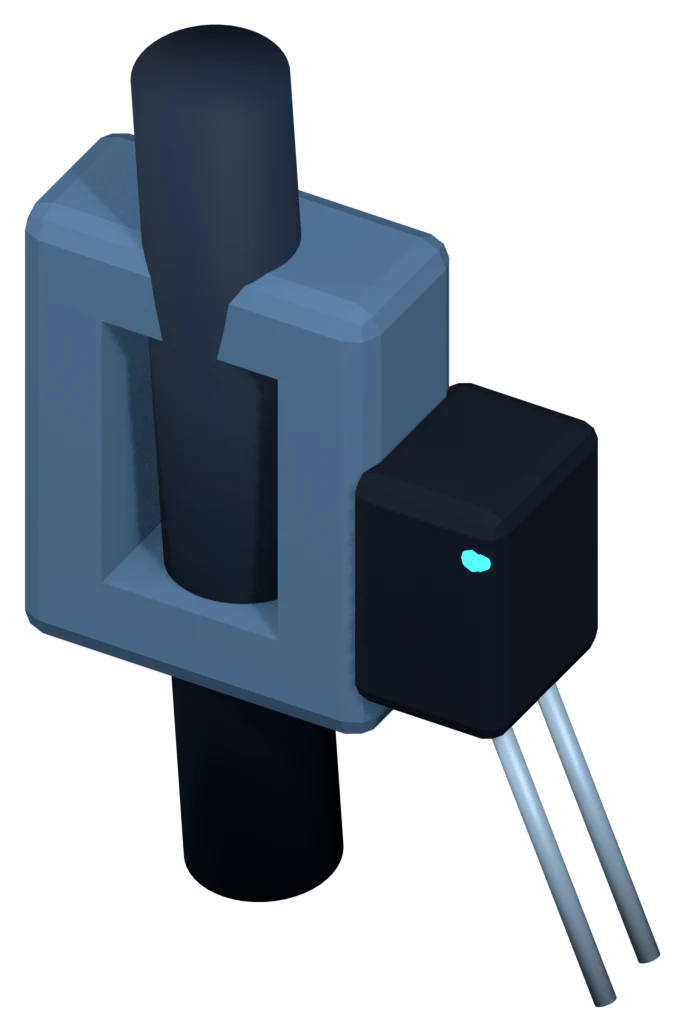
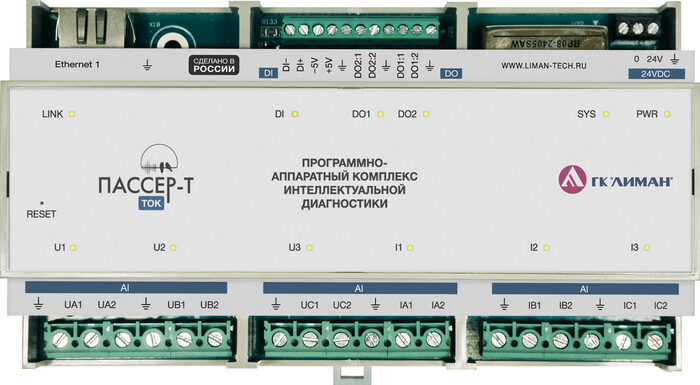
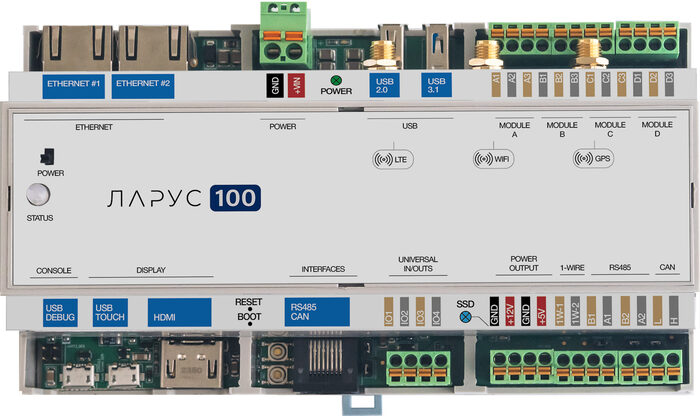
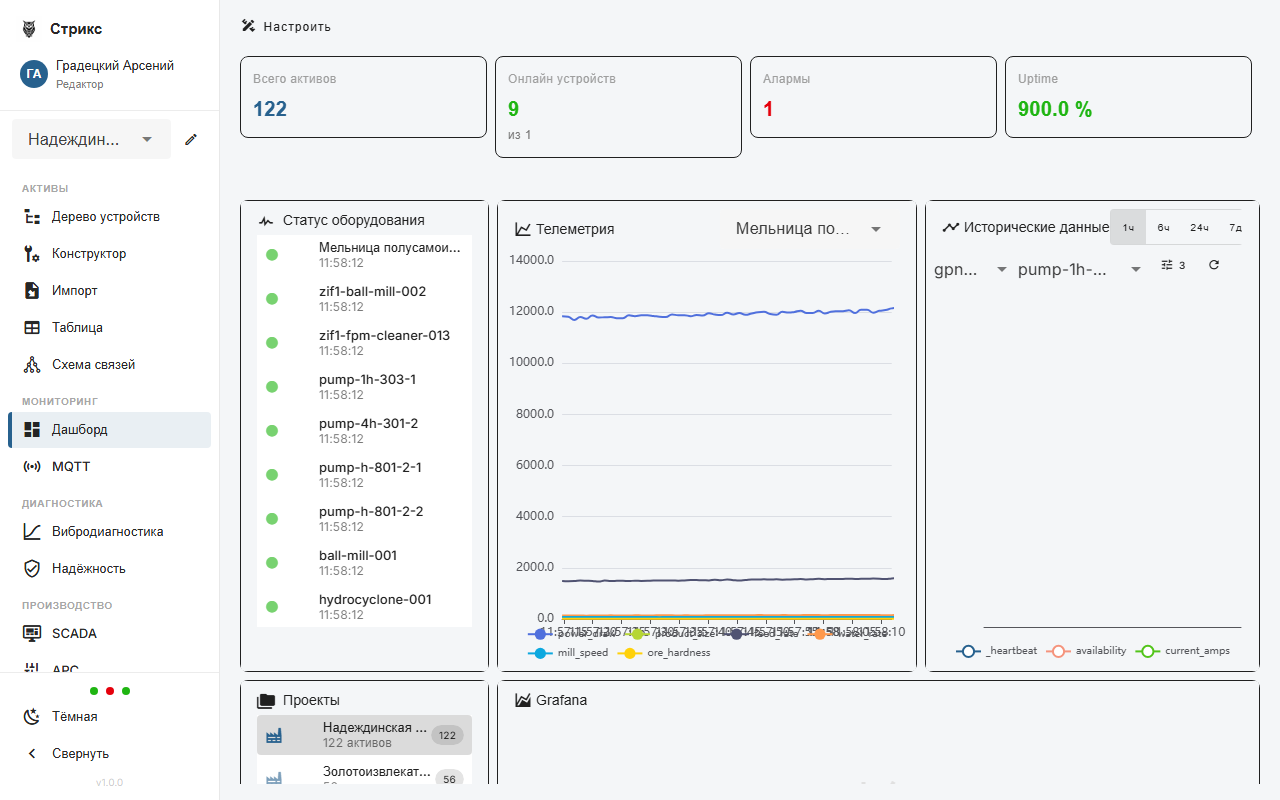
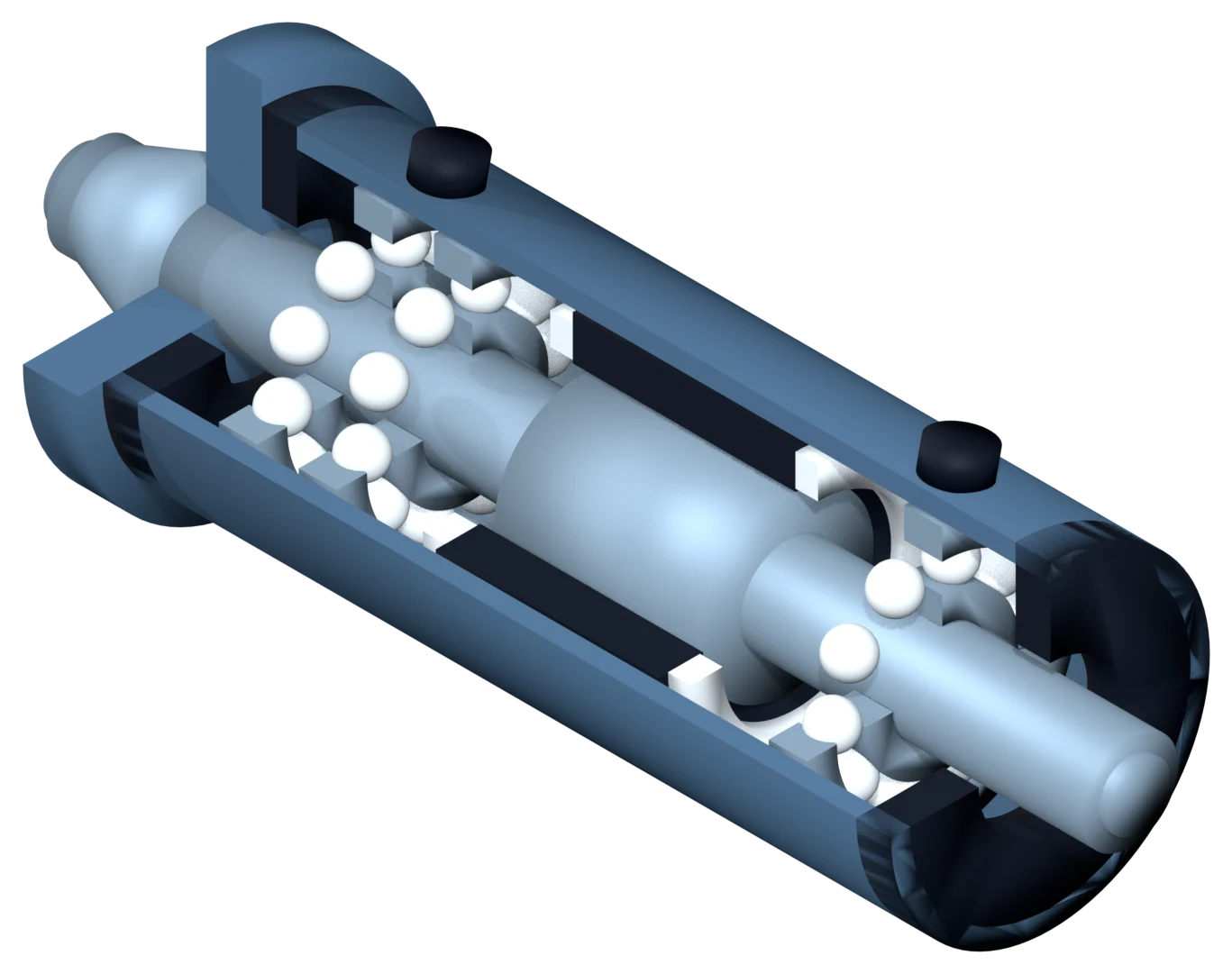
Three measurement points on the spindle assembly cover 80% of unexpected failures: vibration sensors on two bearings and motor current via a current transformer — with no sensor on the motor itself. From there the signal follows a single chain: the Passer acquisition controller digitises it at up to 92 kHz, Larus computes the spectra at the machine, and Strix turns them into diagnosis and prognosis.

3D Nodes under monitoring — interactive
Cutaway 3D model of a machine-tool spindle with sensor mounting points
drag to rotate · scroll to zoom
Where it appears
LathesMillingMachining centresBoringVertical-turningGantry
Where we look — click
Effect: −60–80% spindle unexpected failures, service life ×1.5–2.5.
Chain From sensor to diagnosis
By node

Where Liman-Tech applies — node by node

A machine fleet breaks down where you cannot see it coming: a spindle bearing, a gearbox, a hydraulic-power-unit pump, a drive. We fit these nodes with vibration sensors and current transformers, Passer digitises the signal (up to 92 kHz), Larus computes the spectra, and Strix turns them into diagnosis and prognosis — 2–6 months before an unexpected failure.

Cutaway spindle assembly
1

Spindle assemblies and main drives

Equipment
Lathes and milling machines, machining centres, boring, vertical-turning and gantry machines
Vibration Spindle support bearings, gearboxes, gear trains — early detection of defects and misalignment.
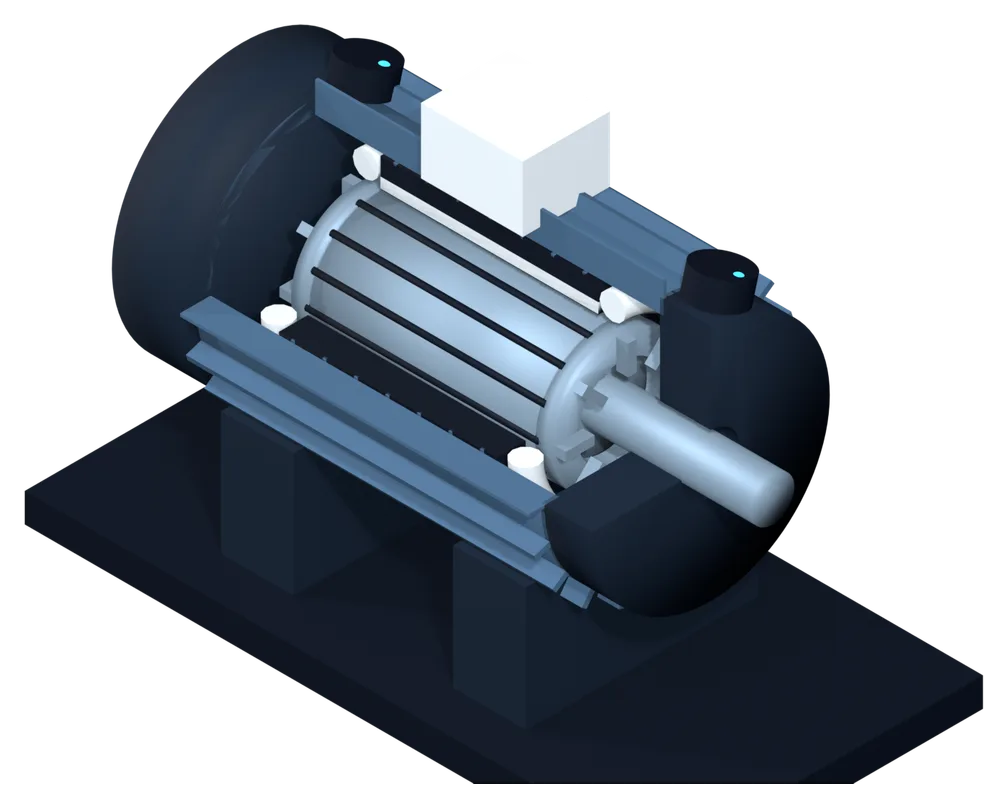
Current Main-motion and feed motors — no sensors on the motor and no intrusion into the electrical cabinet.
Effect: −60–80% spindle unexpected failures, service life ×1.5–2.5.
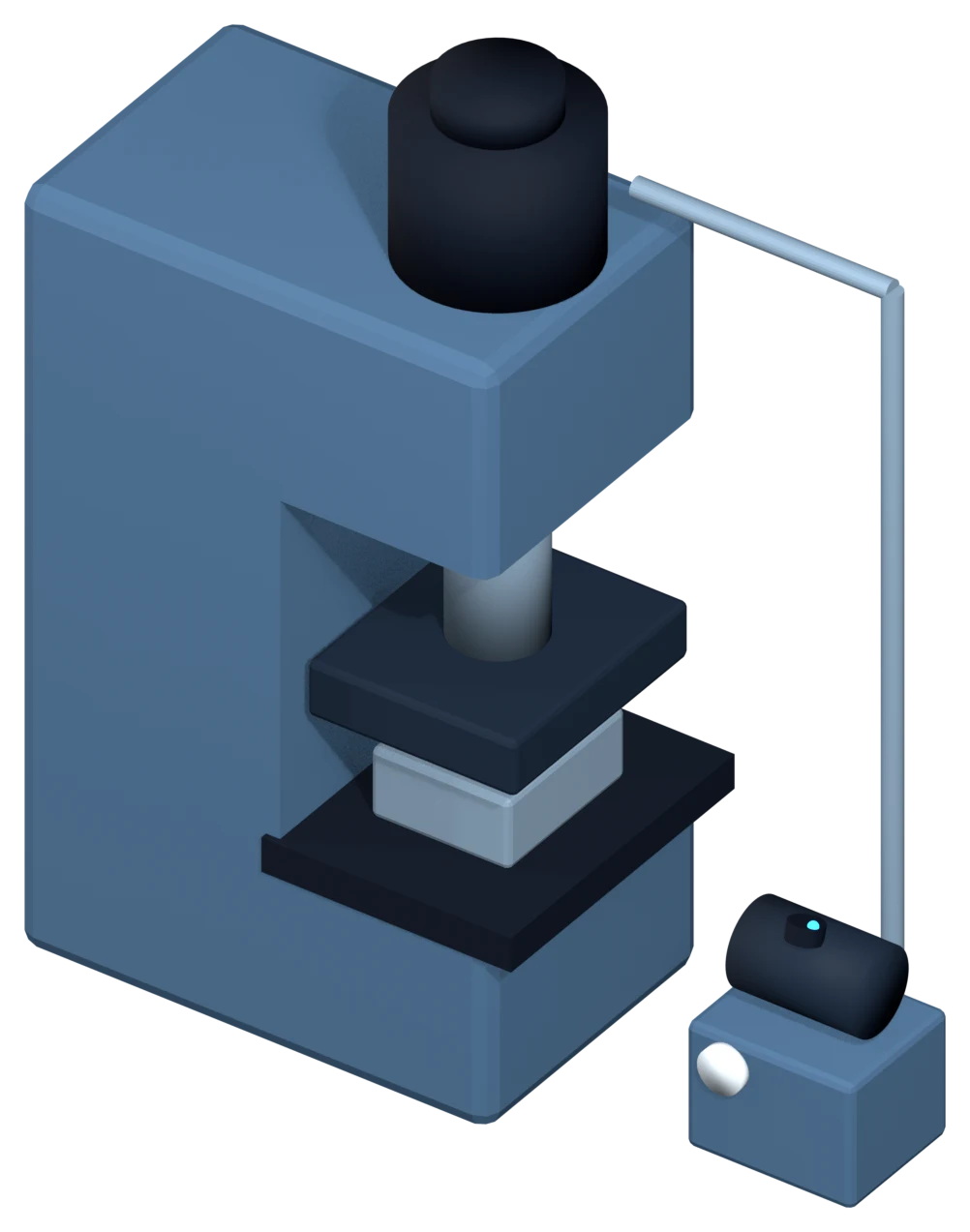
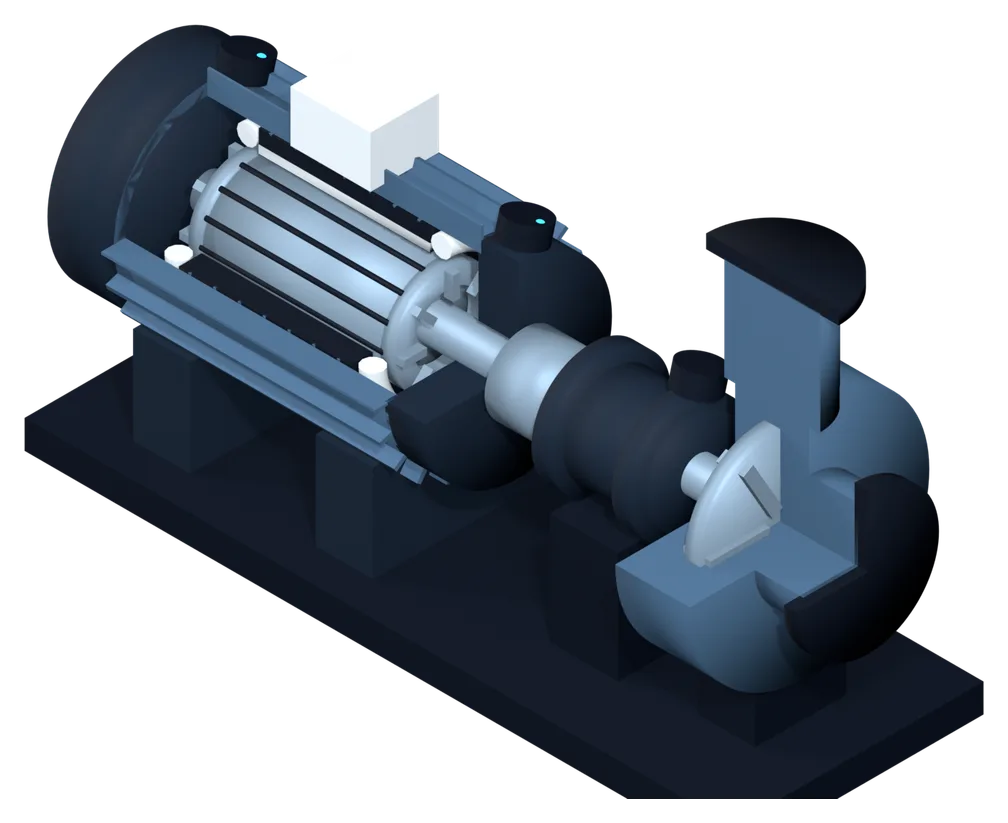
Hydraulic press with a pump station
2

Presses and hydraulic power units

Equipment
Hydraulic and mechanical presses, power pump stations, accumulators, manifolds
Vibration Power pumps, drive and gearbox, couplings: bearing wear, cavitation, misalignment.
Current Pump drives in hard-to-reach places — inside the press, in the hydraulic power unit.
Effect: −60–75% unplanned downtime; we see cavitation 1–2 weeks ahead.
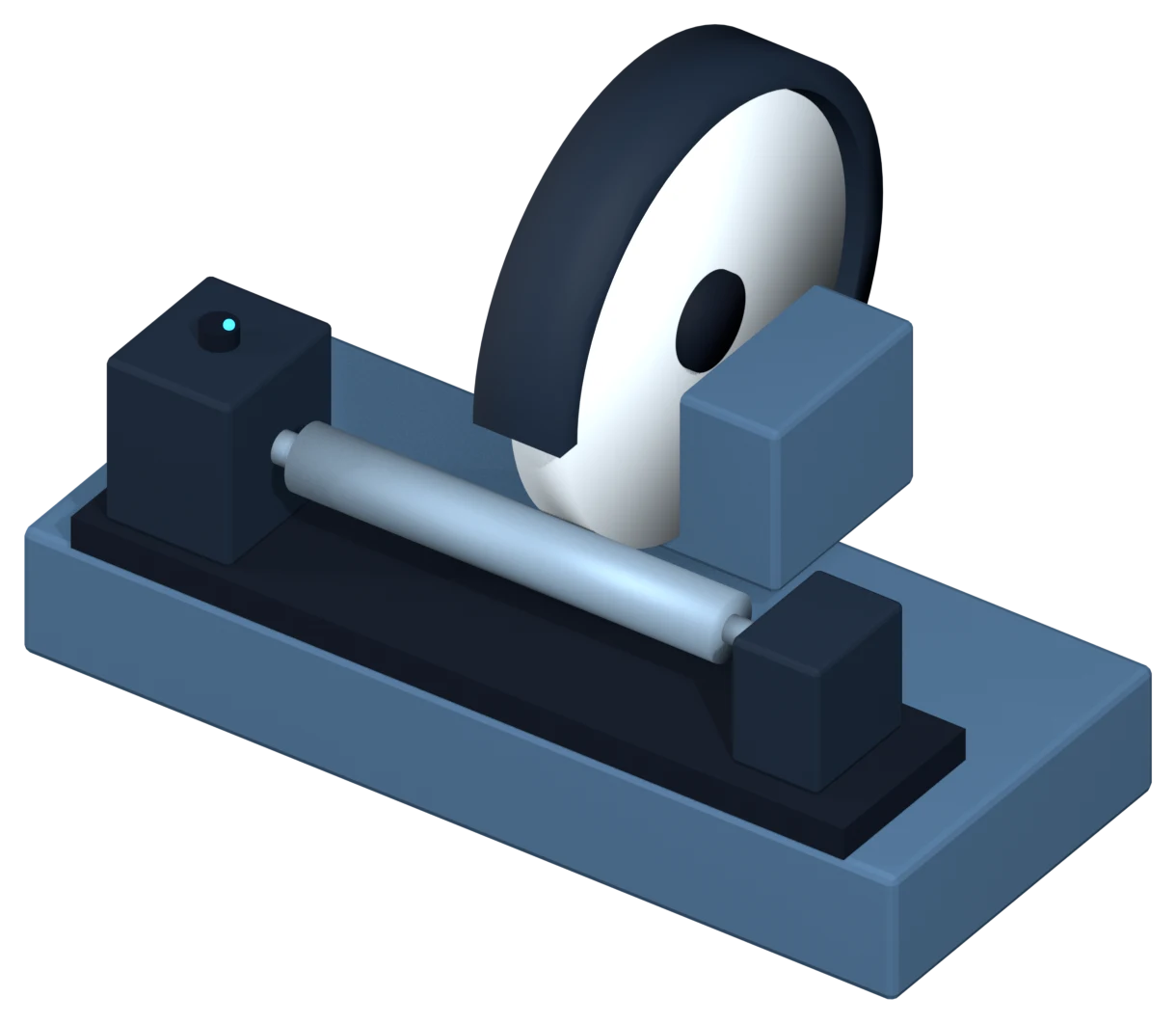
Cylindrical grinding machine
3

Grinding machines

Equipment
Cylindrical, surface and internal grinders
Vibration The spindle assembly is the main diagnostic target. We calibrate the method on 1–2 pilot machines.
Current For monitoring the cutting process itself, current gives a more stable signal than vibration.
Effect: Spindle condition monitoring and consistent surface quality.
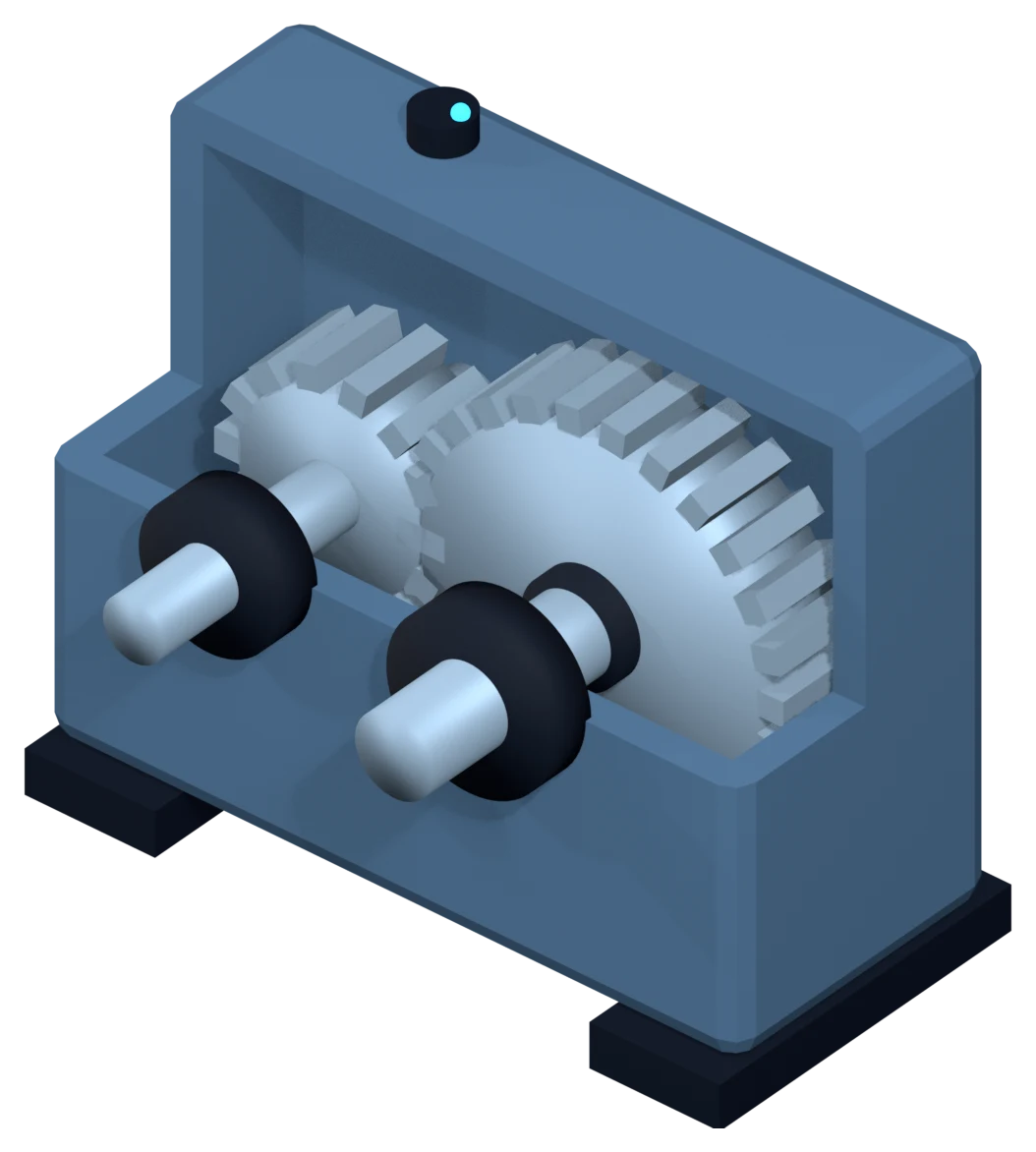
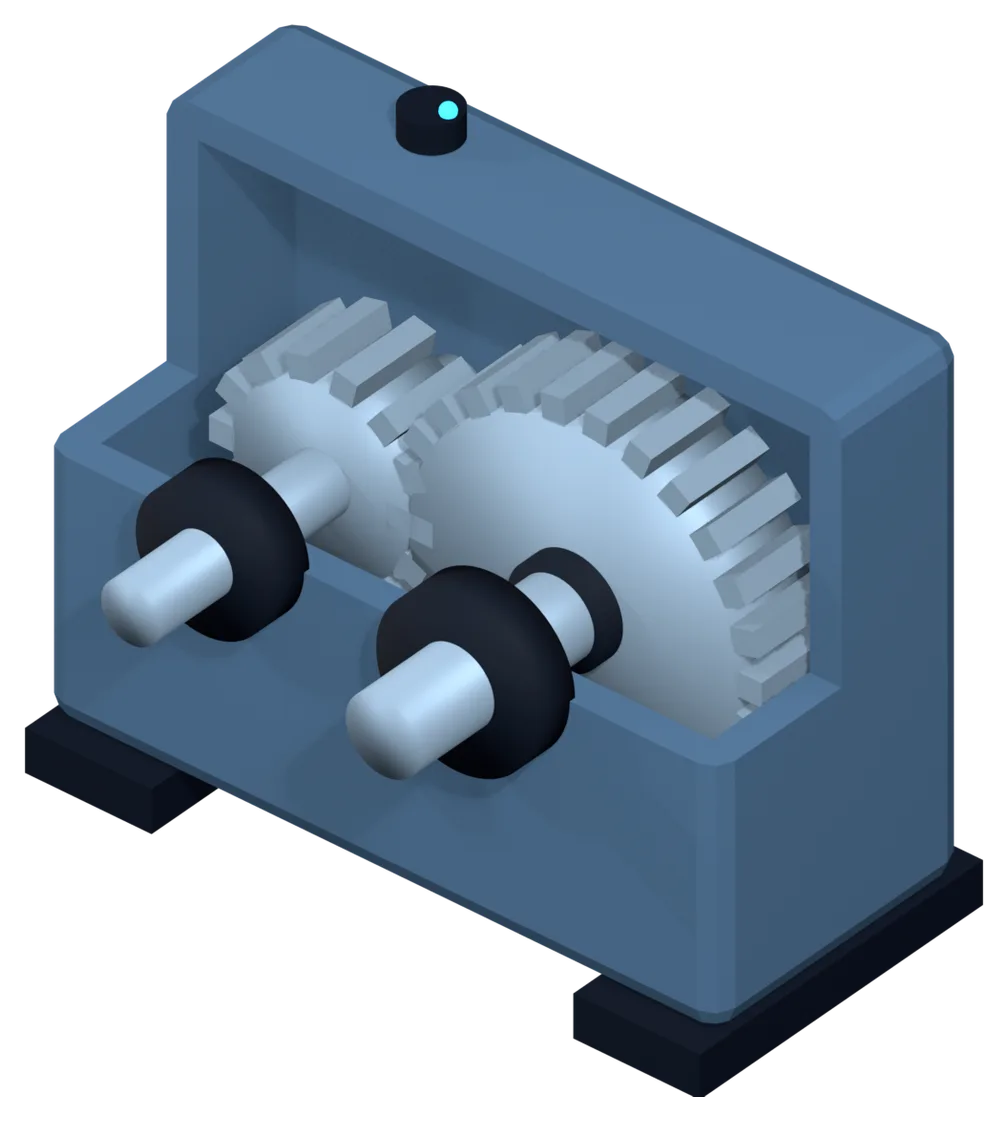
Cutaway gearbox with a gear pair
4

Gear cutting and heavy machines

Equipment
Gear-hobbing and gear-cutting machines, vertical-turning and gantry machining centres, forging hammers, heat-treat furnaces
Vibration Gearbox meshes, support bearings, main drives.
Current Main and feed drives, furnace motors.
Effect: For one-off units (component lead time 6–18 months), early warning = economic security.
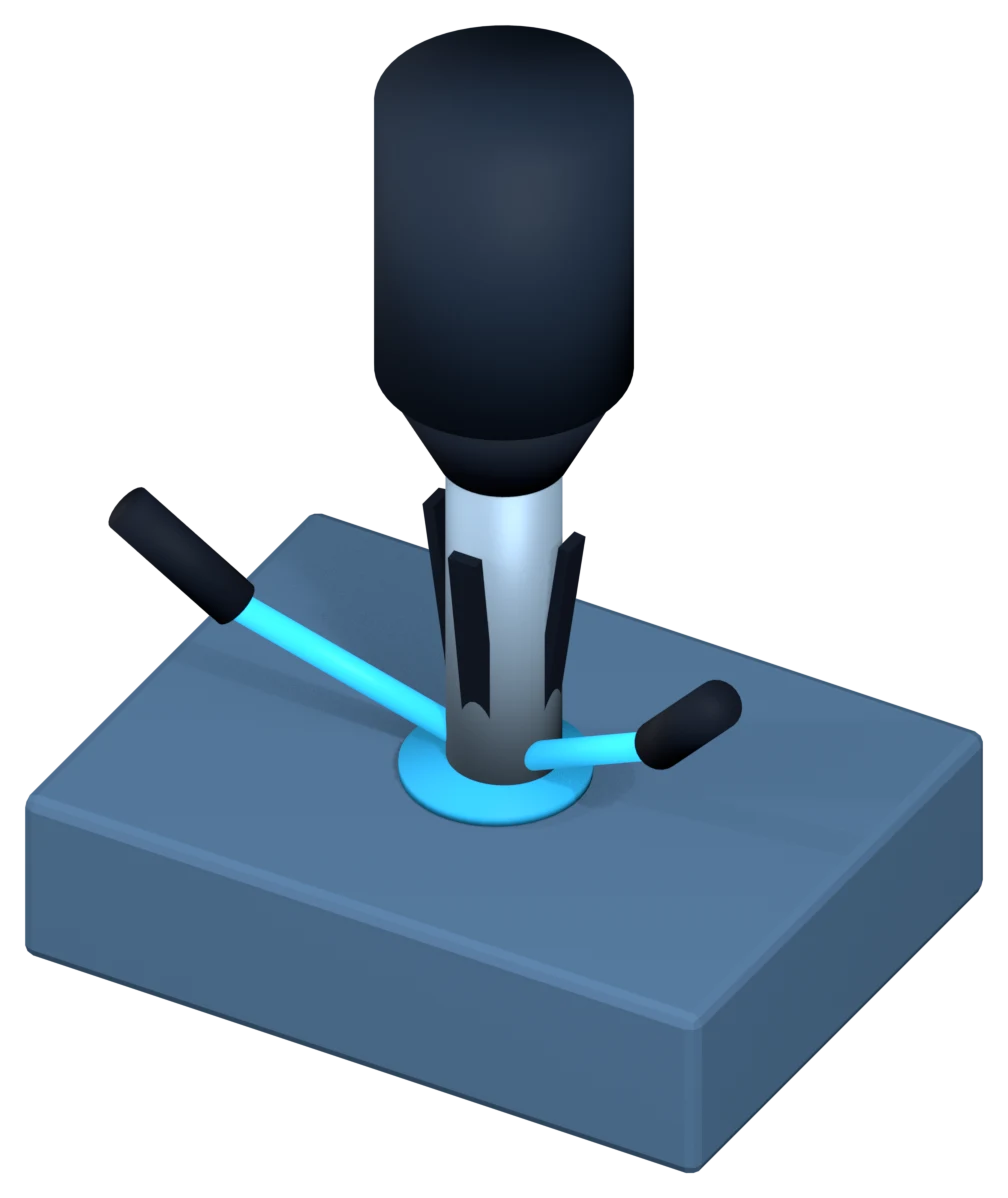
Milling cutter with coolant supply
5

Coolant and tool service life

Equipment
Coolant circuits, cutting tools
Coolant Concentration, pH, temperature, flow, cleanliness. The right emulsion state — −15–30% in tool wear.
RUL A soft sensor estimates tool wear in real time from vibration and current — replacement on condition, not by schedule.
Effect: Emulsion service life ×2–3, tooling ×1.2–1.8, scrap −20–35%.
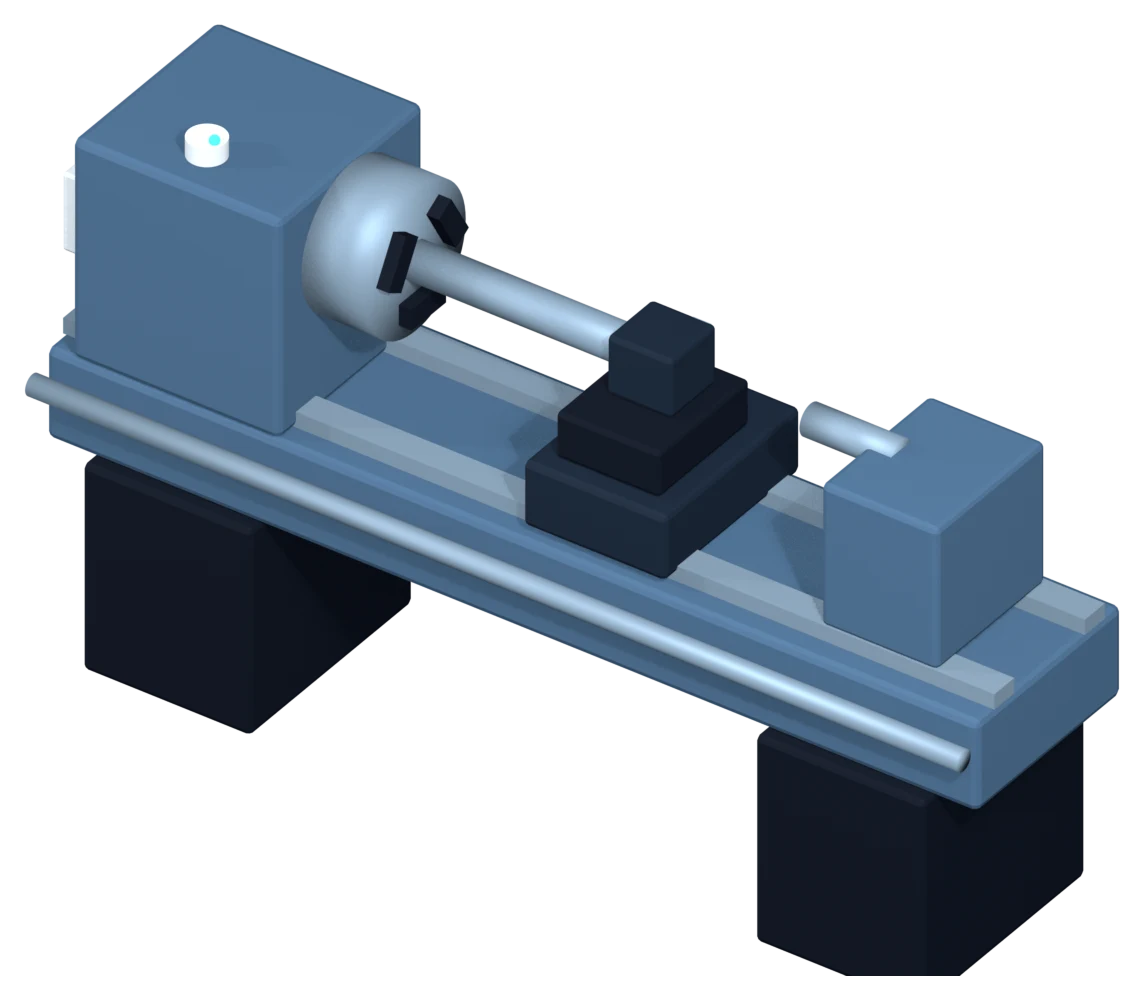
Lathe with a Larus retrofit unit
6

Retrofit of an ageing fleet

Equipment
Machines without CNC and with old CNC lacking interfaces — 40–60% of the fleet in the country
Larus-10 Status “running / stopped / fault”, cycle counting, drive current, and optionally spindle vibration.
OEE With no intrusion into the machine and no sign-off from the manufacturer.
Effect: MDC at the level of modern CNC plus basic monitoring for 200–400k ₽ per machine (instead of 3–10M for a new CNC).
Strongest combinations

Where combined methods multiply the effect

Spindle / main drive
Vibration + Current
Early diagnosis of bearing defects and misalignment 2–6 months before failure.
Shop of 10–50 machines
Vibration + Current + OEE
Reliability plus transparency on utilisation and the causes of downtime.
Tooling in machining
Vibration + Current + RUL
Replacement by actual wear, less scrap and lower tool consumption.
Presses and hydraulic power units
Vibration + Current
Power pumps: we see bearing wear and cavitation in advance.
Legacy fleet without CNC
Larus-10 retrofit + OEE
MDC at the level of modern CNC – without replacing the machine.
What we offer

Three rollout levels — pick by maturity

Level 1

Equipment reliability

Critical machines / pilot

Stack
Passer (vibration + current) + Larus + diagnostics on Strix
Level 2

Production transparency

Shop of 10–50 machines

Stack
Larus + Strix (MDC/OEE, alarms, per-asset KPIs)
Level 3

Remote fleet diagnostics

No in-house diagnostics team

Stack
Sensors + our diagnosticians: assessments and remaining-life forecasts on a subscription

We test our methods on real data, not just on desk-bound models: the tool-wear soft sensor and the time-series analytics are developed in an R&D partnership with ITMO University (Fedot.Industrial) and Polytech (our own lab). The human stays in the loop – Strix advises, and the decision stays with your chief mechanic’s team.

Pricing models
CAPEX

Buy and own. For critical infrastructure and the Rosatom perimeter, the only option.

MaaS — service

Base fee + % of confirmed downtime reduction, 24–36 months. No CAPEX hit.

Remote diagnostics

We install the sensors and run the diagnostics — findings and prognosis by subscription.

From practice

Heavy machinery, Rosatom perimeter

For a large heavy-machinery plant we deployed an automated vibration-monitoring and predictive-diagnostics system for the rotating equipment of the machine fleet, plus vibration monitoring of the power pumps on a 15,000-tf press. The system was accepted by sign-off in February 2026.

Scale
  • Machine fleet under monitoring
  • 15,000-tf press — power pumps
  • Accepted by sign-off · 2026
Frequent questions

What people usually ask

We already run AIS Dispatcher — why Strix?

Dispatcher counts run time and OEE — that is production accounting. Strix adds vibration and current diagnostics on top: when a machine starts heating up and vibrating, you find out 2–6 months before failure instead of after the fact. If Dispatcher is already in place, we work alongside it, no replacement.

We have Bently Nevada / SKF — replace them?

No need. These are solid systems; we keep them on critical machines. Passer goes on new points and extends diagnostics without replacing what already works — a channel costs several times less, and the data converges into a single shop dashboard.

What about old machines without CNC?

We connect them through Larus-10: status “running / stopped / fault”, cycle counting, drive current, and optionally spindle vibration. 200–400k ₽ per machine, with no intrusion into the machine and no sign-off from the manufacturer. This is full MDC at the level of modern CNC plus initial condition monitoring.

Payback for a 50-machine shop?

Usually 12–18 months. Starting from 45–55% OEE, the deployment delivers +15–25 pts through fewer stoppages and faster changeovers — on the order of 30M ₽/year of effect against a deployment cost of 25–40M ₽. The effect of predictive diagnostics comes on top.

Who owns maintenance after deployment?

We split the zones in the statement of work. We maintain and support the sensors and the platform. Your chief mechanic’s team makes the diagnostic decisions and your shop performs the repairs. We provide the tool, the training and the methodology — we do not replace the mechanic. No in-house vibration analyst — we run diagnostics remotely.

How does MaaS work for a shop?

You do not buy the system, you subscribe to a service: we invest in and own the equipment, you pay monthly — a base fee plus a percentage of confirmed downtime reduction, over 24–36 months. It fits when you do not want a CAPEX hit. For critical infrastructure and Rosatom, where the equipment must be owned by the enterprise, we choose CAPEX.

In a minute

Find out what we can do with your fleet

Answer four questions and a manager will come back with specifics: which nodes to monitor, the first step, and the order of payback. No obligations.

  • We will pick a combination of methods for your equipment
  • We will estimate the effect and the payback period
  • No in-house diagnostics team — we will take it on
1. Type of production
2. Fleet size
3. Main pain (several allowed)
4. Diagnostics today
Refine the savings (optional)

If you know — we will outline the order of losses and the payback period. If not — we will estimate it ourselves.