
liman-tech
← All industries
Cement and glass

Cement and glass

Cement kilns and grinding shops, glass-melting furnaces and flat-glass lines. Vibration diagnostics is especially effective on mills, crushers and fans; APC – on combustion, grinding and thermal loops.

Strongest combination
Vibration + Current + APC on combustion and grinding

This mix delivers the most on the industry's key process stages. Details in the cards below.

Key equipment
Cement kilnsGrinding shopsRaw / coal millsGlass-melting furnacesForehearthsAnnealing lehrsDust-extraction fans
How it works

Monitored machines — interactive

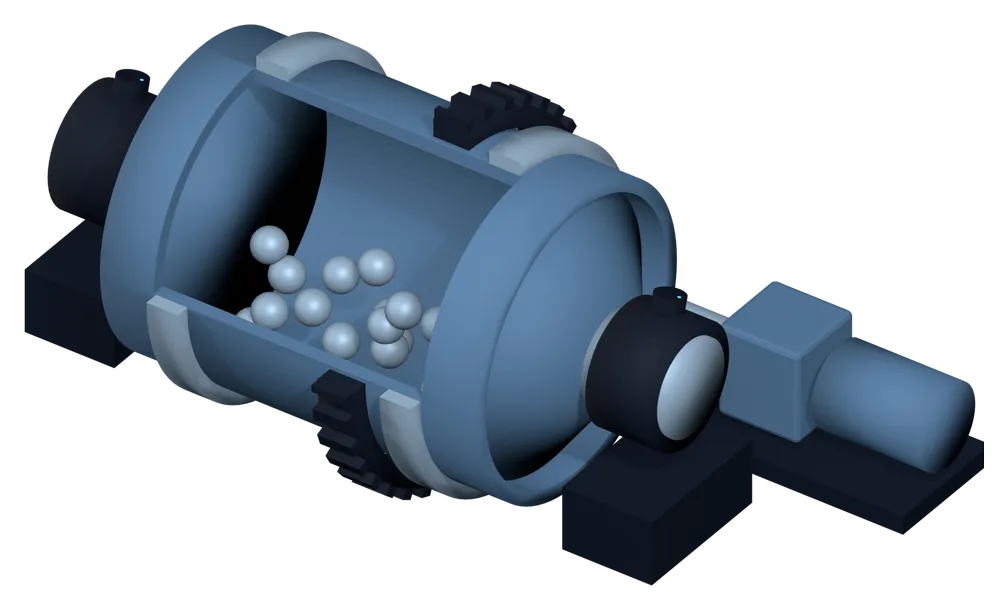
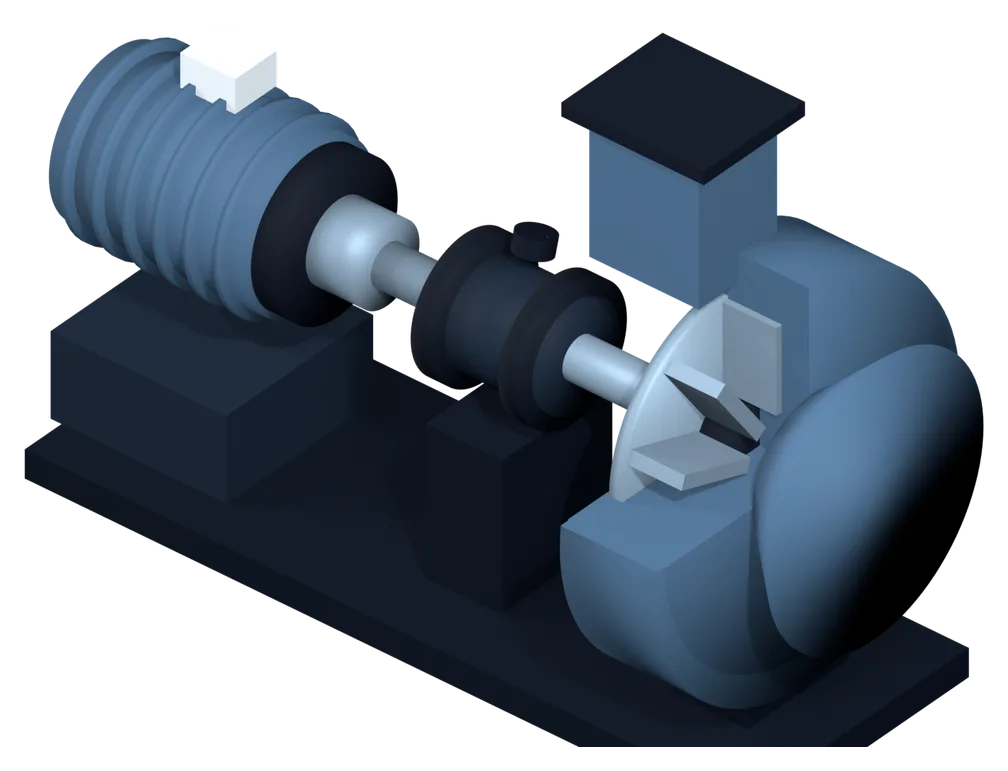
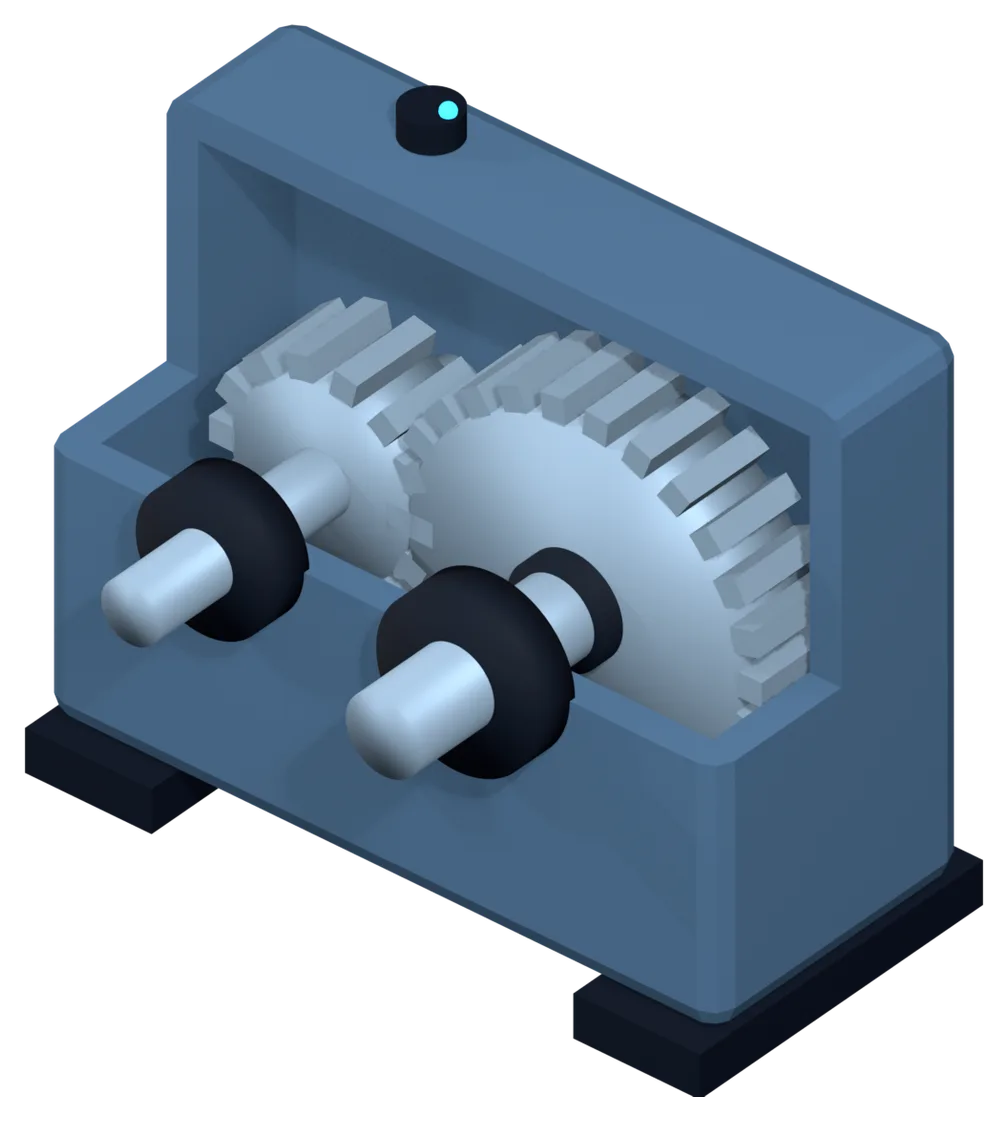
Mill, ID fan, kiln gearbox — dusty, hot machines where sensors survive only if mounted right. Spin the models — measurement points are marked in cyan.

3D Spin the models — measurement points are marked
3D model of a ball mill: drum with balls in cutaway, girth gear, drive
drag to rotate · scroll to zoom
Where it appears
RawCementCoal
Where we look — click
Effect: Trunnions, girth gear, drive — the mill stops being a black box.
Signal chain From sensor to diagnosis
Vibration diagnostics
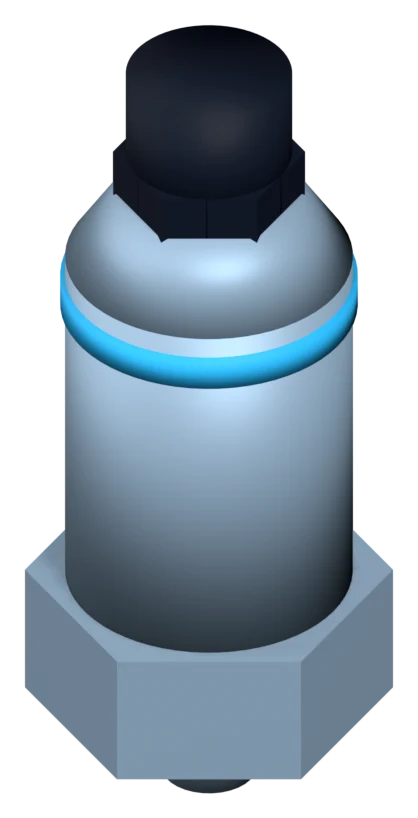
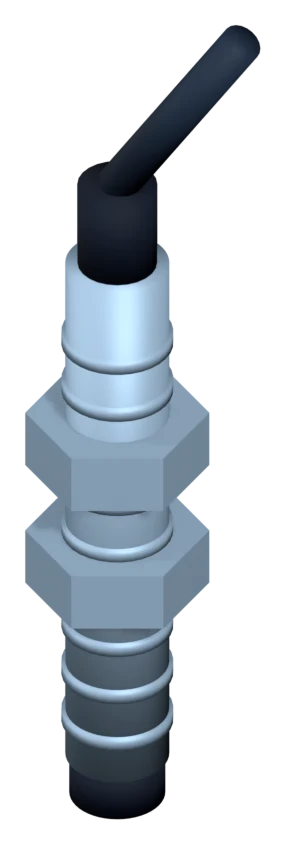
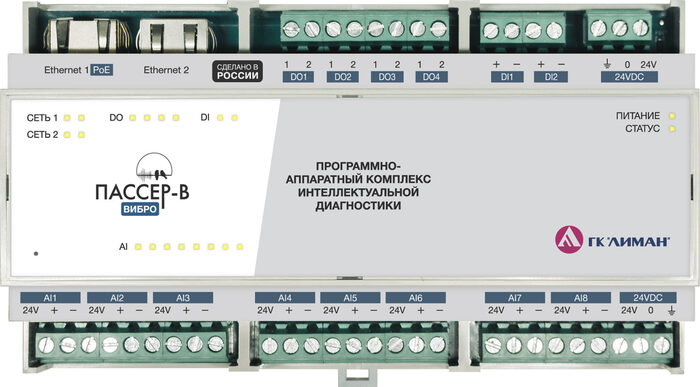
Passer-V + FFT/envelope on Larus
Current diagnostics
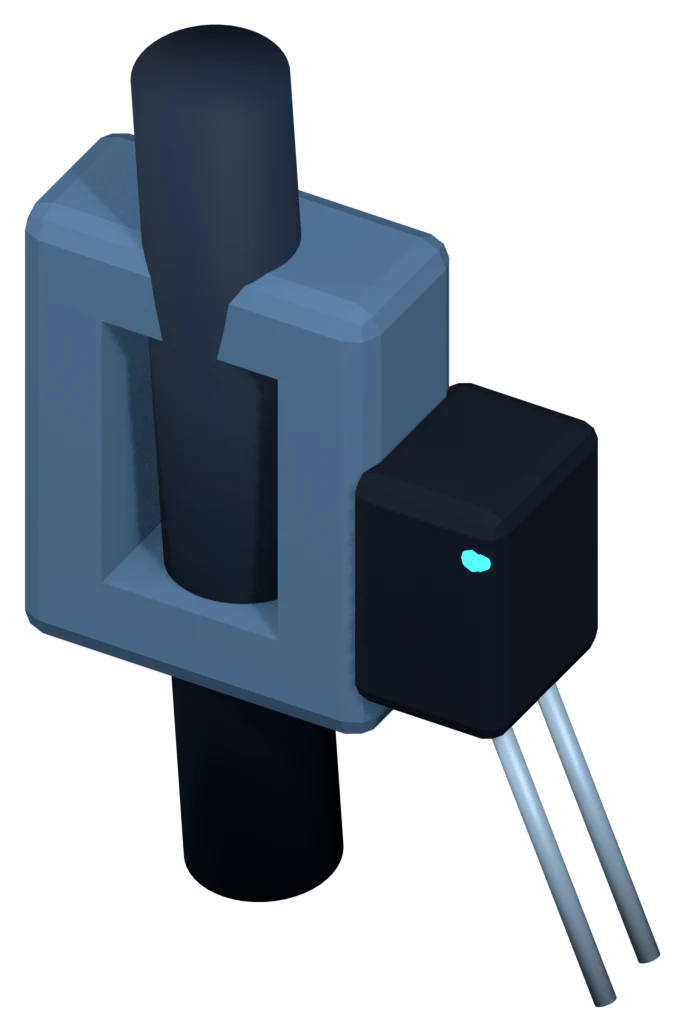
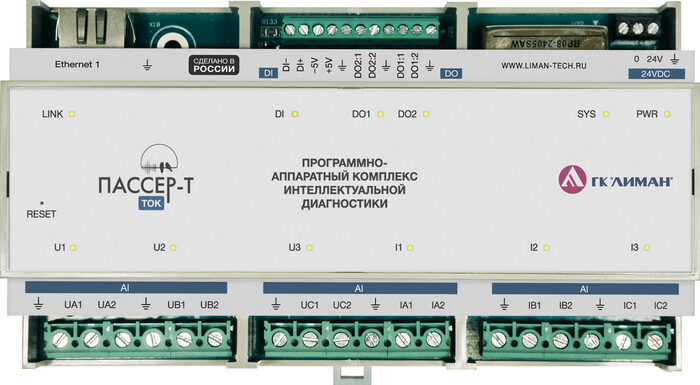
Passer-T + motor current signature analysis (MCSA)
APC optimisation
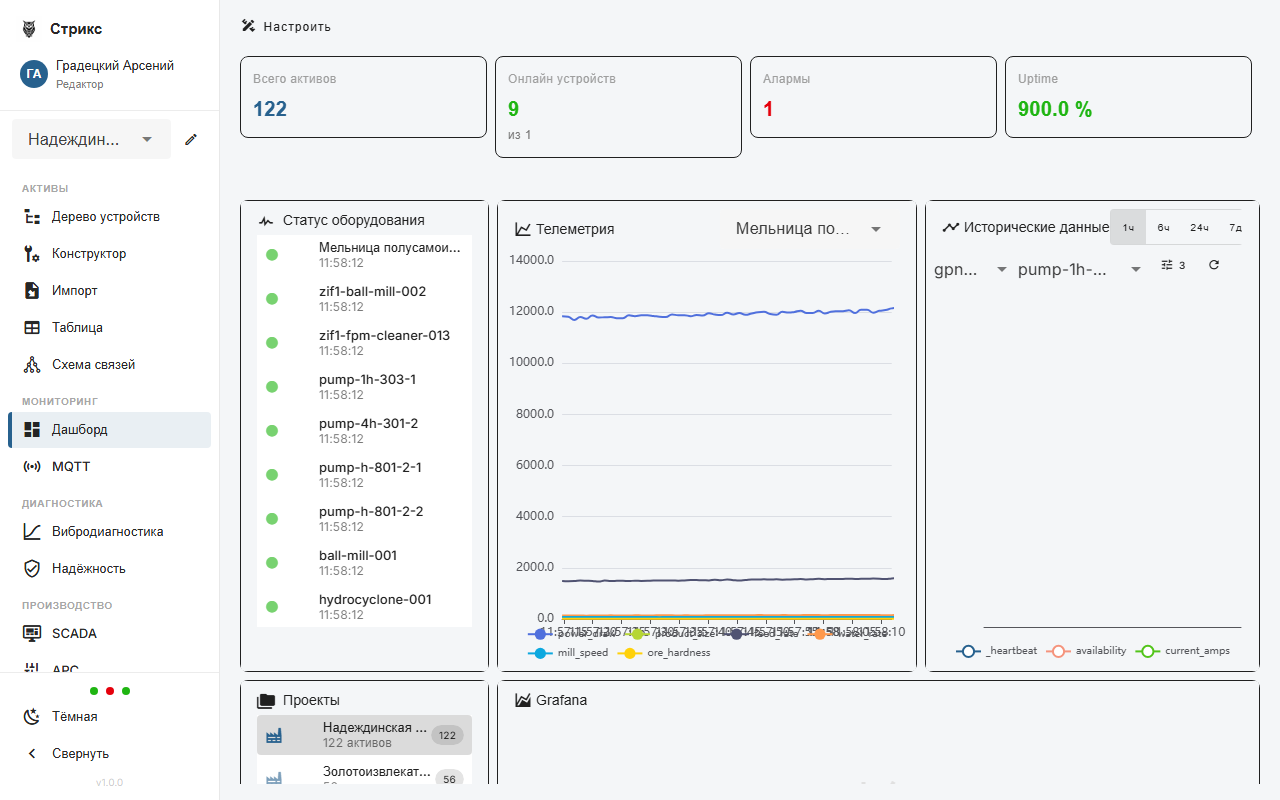
Strix platform + soft sensors + predictive control loops
Computer vision
Cameras + Strix CV apps on Larus-1000
By process stage

Where Liman-Tech applies — stage by stage

For each stage: the equipment worth monitoring and what each method delivers. No fluff.

1

Cement: raw stage

Equipment
Crushers, roller / ball mills, conveyors, separators, elevators
Vibro Mills, crushers, drives, gearboxes
Current Motors on mills, crushers, separators, conveyors
APC Control of grinding, specific surface area, circulating load
Effect: Stable mill operation, fewer unplanned stops
2

Cement: clinker burning

Equipment
Rotary kiln, grate cooler, coal mill, ID fans, FD fans
Vibro Kiln support rollers (vibration and thermal displacement), ID fans, cooler fans
Current Motors on fans, mills, kiln drives
APC Combustion: fuel-to-air ratio, alternative-fuel feed, temperature profile, NOx
Effect: −6–15% specific fuel consumption, +5–7% kiln throughput (APC benchmarks), lower emissions
3

Cement: clinker grinding

Equipment
Ball / vertical mills, separators, dust extraction, packing
Vibro Support bearings, gearboxes, mill main drive
Current Motors on mills and separators
APC Fineness, additive feed, specific grinding energy
Effect: −5–10% grinding electricity, stable fineness (spread −30–40%)
4

Glass: melting

Equipment
Furnaces, regenerators / recuperators, gas / oxy burners, batch chargers
Vibro Compressors, pumps, fans, forehearths
Current Motors on compressors, pumps, fans
APC Temperature profile, oxygen balance, redox regime, melt quality
Effect: Less scrap, stable viscosity, fuel savings
5

Glass: forming (flat / container / fibre)

Equipment
Forehearths, forming machines, annealing lehrs, conveyor rollers, vacuum systems
Vibro Drives, pumps, fans
Current Motors on drives and vacuum systems
APC Temperature profiles, speeds
CV Geometry and surface-defect control
Effect: Stable geometry, lower scrap
Strongest combinations

Where combined methods multiply the effect

Cement mills (raw / clinker)
Vibration + Current + grinding APC
Cement kiln
Vibration (rollers) + Current + combustion APC
Glass-melting furnace
Current + APC on combustion and temperature profile
Glass forming
Current + APC + CV
What we offer

Three rollout levels — pick by maturity

Level 1

Mill and crusher reliability

Support bearings, gearboxes, main drives

Stack
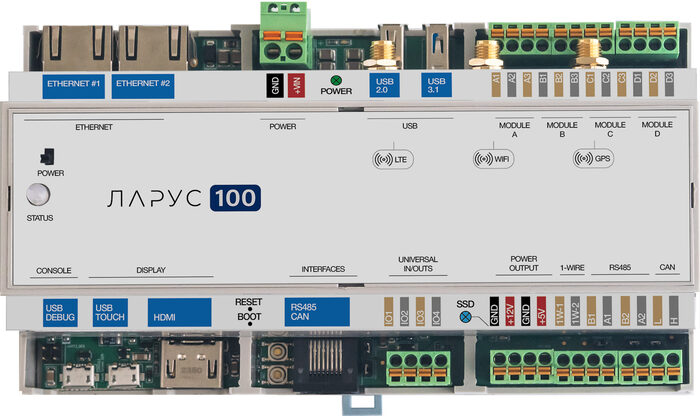
Passer-V + Larus-100
Level 2

Kiln control

Combustion, fuel feed, temperature profile

Stack
Larus-100 + Strix APC with a computational combustion model
Level 3

CV for glass forming

Geometry and surface defects

Stack
Larus-1000 with Strix pre-installed

Results in numbers

  • −6–15% specific fuel consumption on burning under combustion APC
  • +5–7% kiln throughput
  • −5–10% grinding electricity
  • −30–40% quality spread (stable free CaO / fineness)

Industry benchmarks; the actual effect depends on a site assessment at your facility.

Process video monitoring in production shops is an active part of our profile (metallurgical plant, 2020).

How to buy

Three commercial models

From outright purchase to a service model where you pay out of verified savings.

CAPEX — purchase

You own the hardware and software — the full effect is yours. Transparent and familiar; for critical infrastructure it is the only option.

MaaS — subscription

Monitoring-as-a-Service: 36 months, a monthly base fee plus a share of the verified effect. The performance risk is ours — no effect, nothing beyond the base.

ESCO — energy performance contract

Energy-saving measures with no capital outlay on your side: we invest, repayment comes out of verified savings.

One minute

Find out where to start at your plant

Mills, kiln support rollers, fans, crushers — tick what hurts and a manager comes back with specifics: which machines to monitor and how big the pilot should be.

  • We match the method mix to your equipment
  • We size the pilot and give you ballpark figures
  • We reply within one business day
1. What hurts right now (pick any)
2. Scale