liman-tech
← All industries
Infrastructure

Transport and infrastructure

Metro systems, rail transport, port and municipal utilities. Diagnostics of moving parts, escalators and pumping stations; CV-based control of safety and wear.

Strongest combination
Vibration + Current + CV

This mix delivers the most on the industry's key process stages. Details in the cards below.

Key equipment
EscalatorsPumping stationsVentilation systemsTraction substationsHoists / cranesDrainage pumps
How it works

Monitored machines — interactive

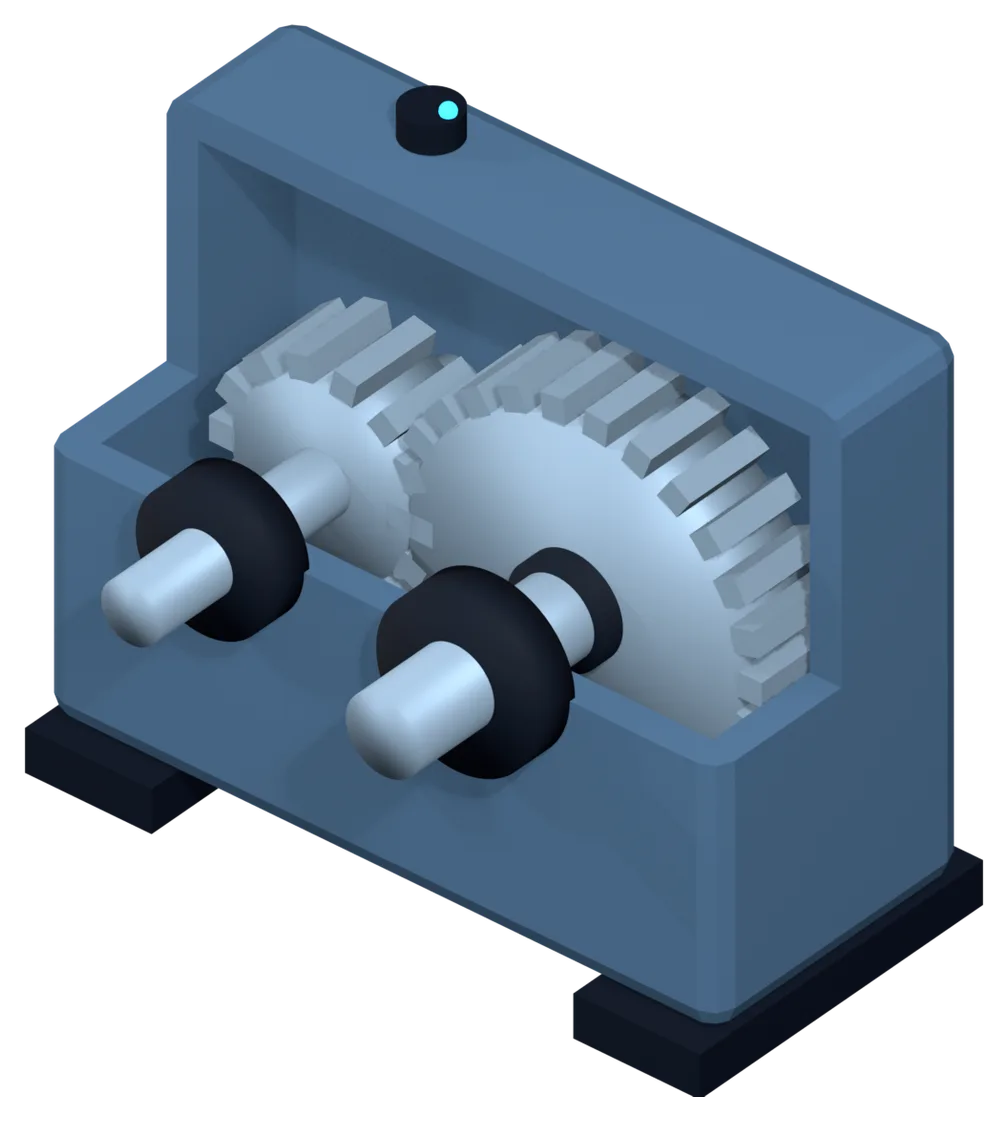
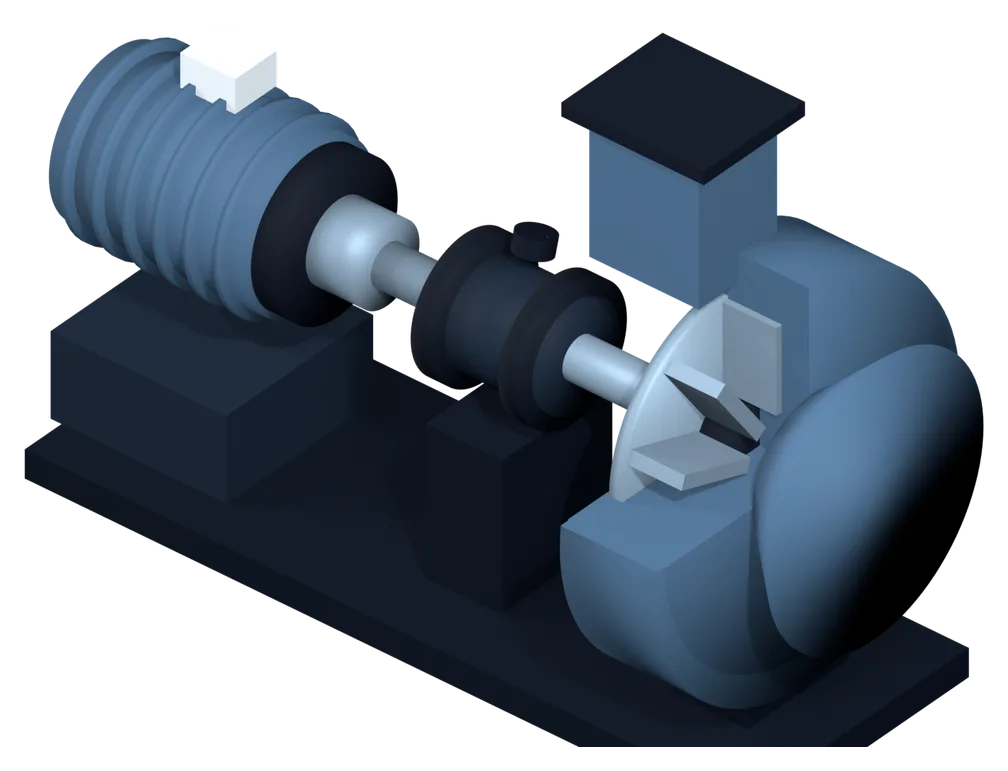
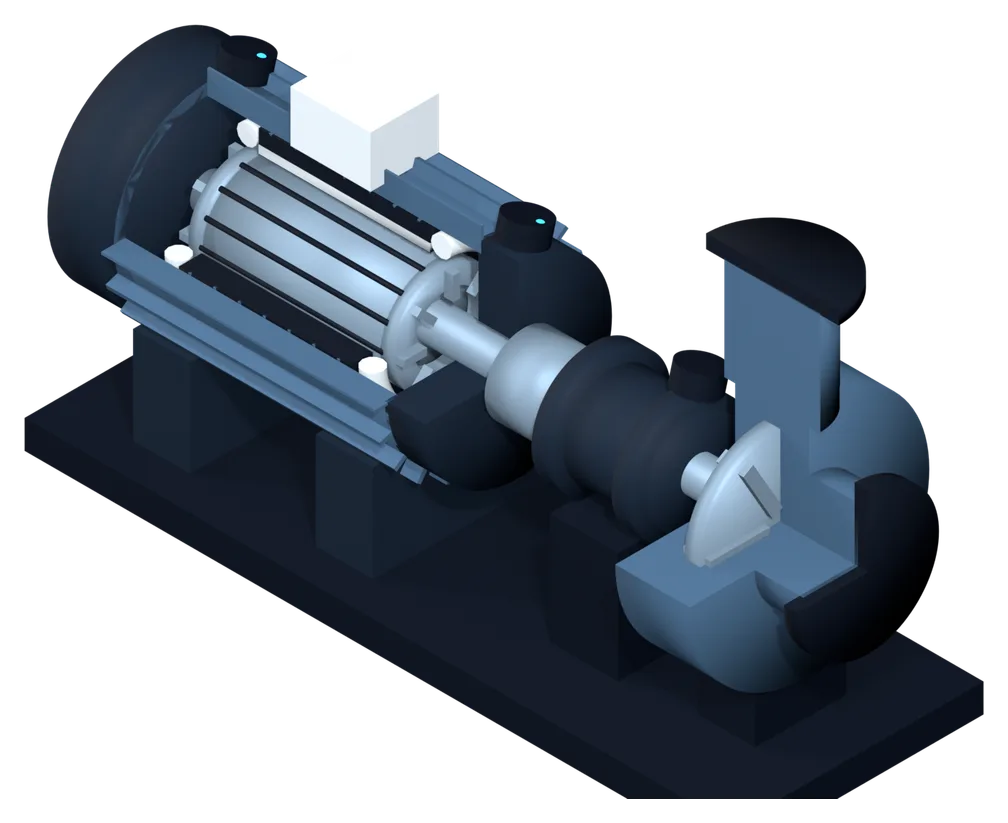
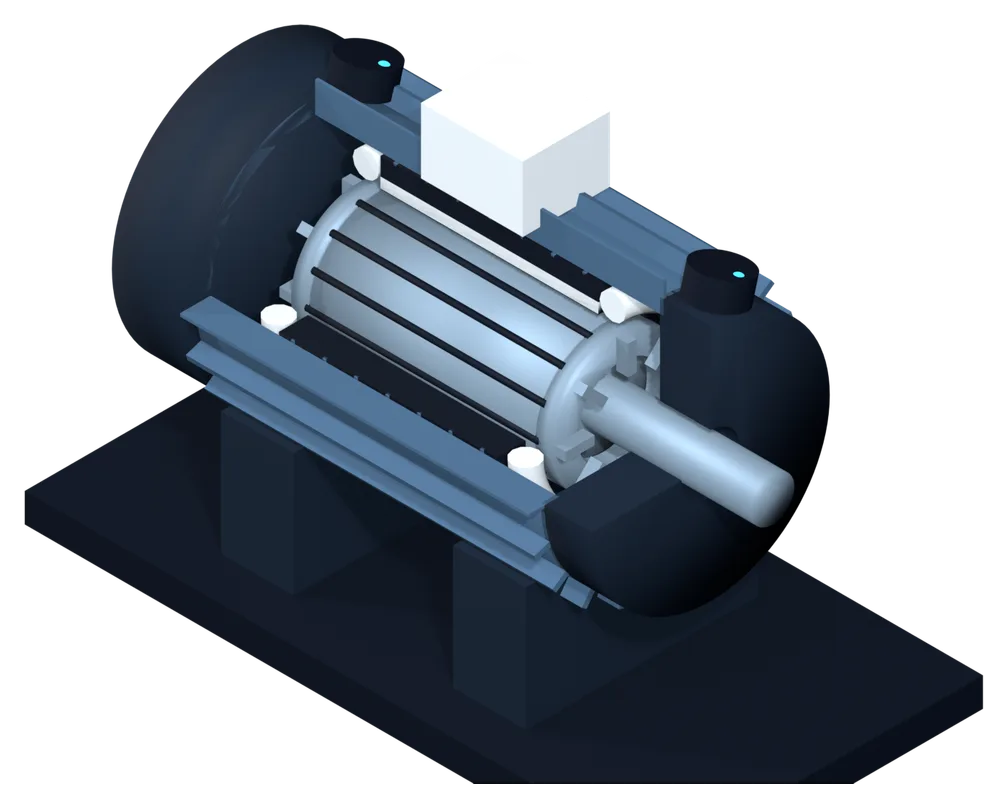
Escalator gearboxes, tunnel ventilation, pumping stations — equipment that works while the city sleeps. Models with measurement points — spin them.

3D Spin the models — measurement points are marked
Cutaway 3D model of a gearbox: gear pair, bearing assemblies, vibration sensors
drag to rotate · scroll to zoom
Where it appears
EscalatorsMoving walkwaysBaggage conveyors
Where we look — click
Effect: Mesh and bearings — planned replacement instead of a rush-hour stop.
Signal chain From sensor to diagnosis
Vibration diagnostics
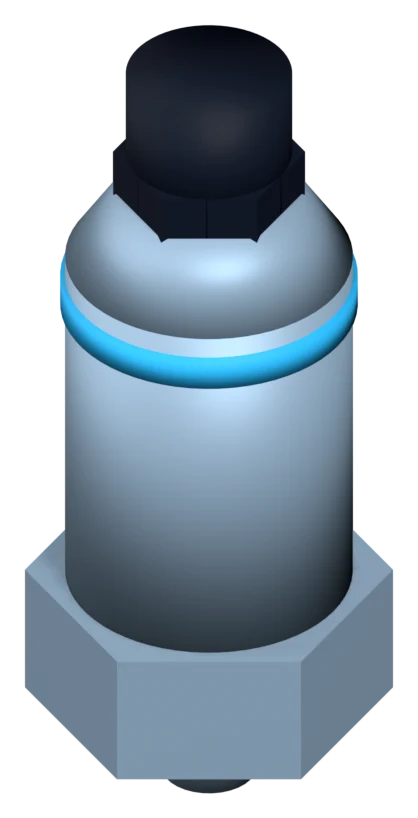
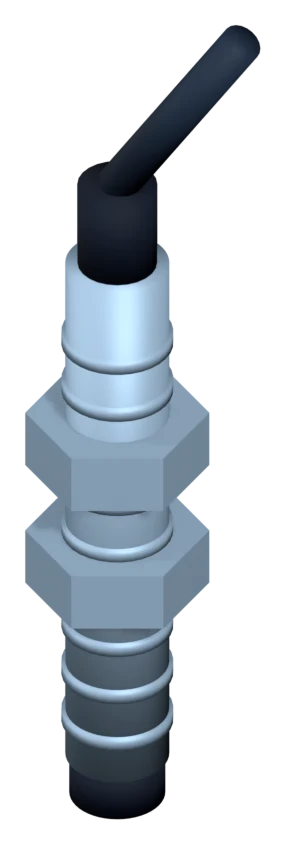
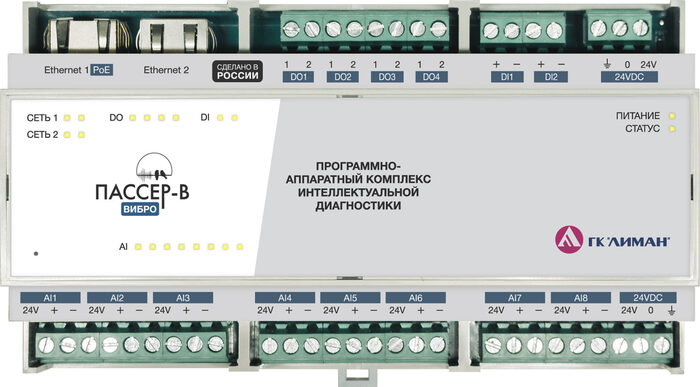
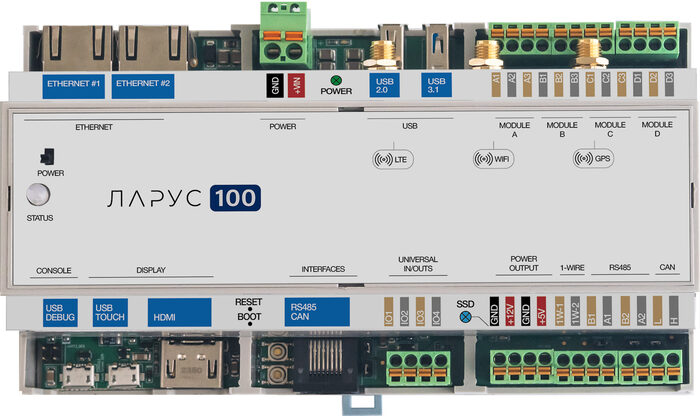
Passer-V + FFT/envelope on Larus
Current diagnostics
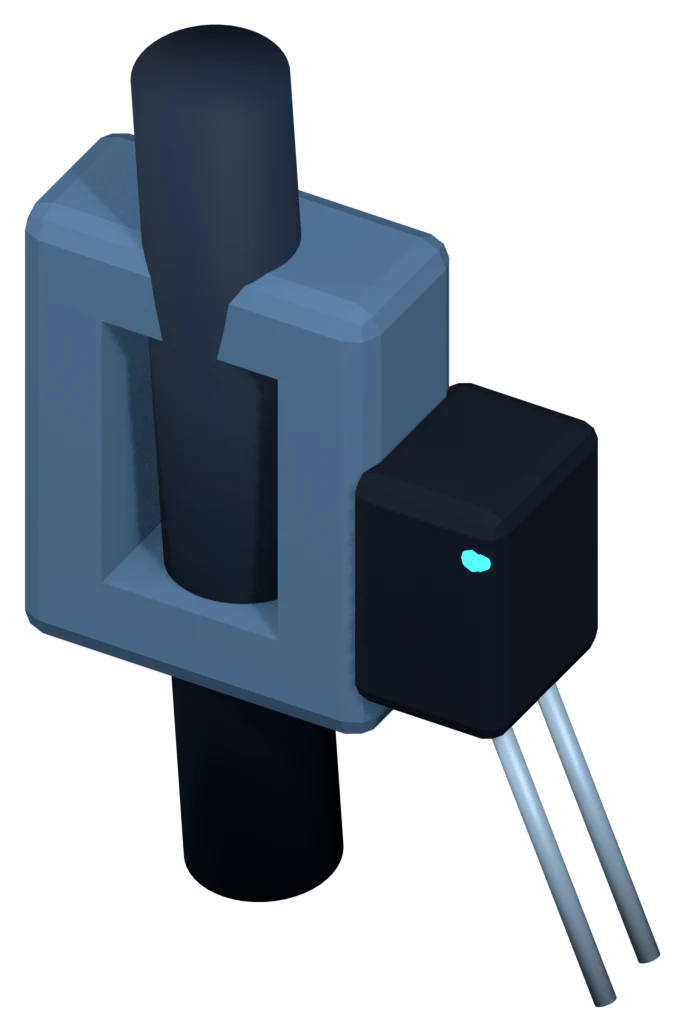
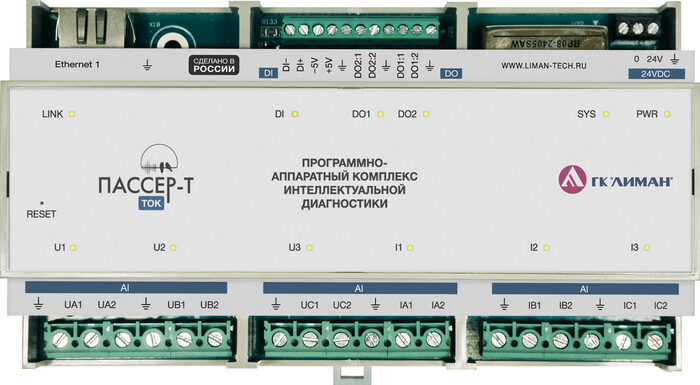
Passer-T + motor current signature analysis (MCSA)
APC optimisation
Strix platform + soft sensors + predictive control loops
Computer vision
Cameras + Strix CV apps on Larus-1000
By process stage

Where Liman-Tech applies — stage by stage

For each stage: the equipment worth monitoring and what each method delivers. No fluff.

1

Metro: escalators

Equipment
Main drives, gearboxes, brake assemblies, rollers, chain drives
Vibro Bearing assemblies, gearboxes, drive, chains
Current Main and emergency drives
Effect: Condition-based maintenance instead of scheduled tear-downs; defects visible months before failure
2

Metro: tunnel ventilation and drainage

Equipment
Tunnel and concourse ventilation fans, dampers, drainage pumping
Vibro Fan motors, gearboxes, pumps
Current Fan and pump drives (frequent start-stops)
Effect: Reliable ventilation and drainage; VFDs on ventilation – a reserve of −20–50% electricity
3

Metro: traction substations

Equipment
Converters, oil pumps, transformer cooling
Current Load profiles, signature analysis
Effect: Early signals on converter cooling and load
4

Rail transport and marshalling yards

Equipment
Point machines, pumping stations, compressor houses, platforms
Vibro Point-machine drives, pumping, compressor houses
Current Motors on drives and pumps
CV Track-geometry control, wagon inspection, platform safety (on Larus-1000)
5

Ports and transhipment terminals

Equipment
Portal cranes, conveyors, pumping stations, hydraulic power units
Vibro Cranes, conveyors, pumps, hydraulic power units
Current Motors on cranes and conveyor lines
APC Loading / unloading optimisation, conveyor-line coordination
6

Municipal and urban infrastructure

Equipment
Sewage pumping, water supply, heat-substation ventilation
Vibro Pumps, fans, blowers
Current Motors on pumps and fans
APC Water-recirculation balance, energy management
Strongest combinations

Where combined methods multiply the effect

Escalators and moving systems
Vibration + Current
Confirmed case — the Moscow Metro.
Tunnel ventilation
Vibration + Current
Traction substations
Current + analytics
Port cranes and conveyors
Vibration + Current + APC
Rail infrastructure
Vibration + Current + CV
What we offer

Three rollout levels — pick by maturity

Level 1

Escalators and moving systems

Main drives, gearboxes, chains

Stack
Passer-V + Larus-100 + the Strix app — what is already running in the Moscow Metro
Level 2

Transparency across a network of sites

Tens and hundreds of sites in a single control-room view

Stack
Strix as a single platform
Level 3

CV for safety

Platforms, clearance gauges, track and wagon condition

Stack
Larus-1000

Results in numbers

  • A move to condition-based maintenance instead of scheduled escalator tear-downs
  • Early detection of drive defects – 2–6 months before failure
  • −20–50% electricity for ventilation and pumping after switching to variable-frequency drives (VFDs)

Industry benchmarks; the actual effect depends on a site assessment at your facility.

Real case: a hardware-and-software complex for escalator diagnostics and monitoring at the Moscow Metro – in operation since 2021.

How to buy

Three commercial models

From outright purchase to a service model where you pay out of verified savings.

CAPEX — purchase

You own the hardware and software — the full effect is yours. Transparent and familiar; for critical infrastructure it is the only option.

MaaS — subscription

Monitoring-as-a-Service: 36 months, a monthly base fee plus a share of the verified effect. The performance risk is ours — no effect, nothing beyond the base.

ESCO — energy performance contract

Energy-saving measures with no capital outlay on your side: we invest, repayment comes out of verified savings.

One minute

Find out where to start at your facility

Escalators, pumping stations, ventilation systems, traction substations — tick what hurts and a manager comes back with specifics: which machines to monitor and how big the pilot should be.

  • We match the method mix to your equipment
  • We size the pilot and give you ballpark figures
  • We reply within one business day
1. What hurts right now (pick any)
2. Scale