liman-tech
← All industries
Cross-industry solution

Equipment Diagnostics

Vibration and current diagnostics with remaining-useful-life (RUL) forecasting — we spot defects 2–6 months before failure. The move to condition-based maintenance. No in-house diagnostics team? We run it remotely.

Strongest combination
Vibration + Current + RUL + condition-based maintenance

This mix delivers the most on the industry's key process stages. Details in the cards below.

Key equipment
PumpsFans and induced-draught fansCompressorsGearboxes and millsElectric motorsPresses and hydraulic unitsEscalators and cranes
How it works

Monitored machines — interactive

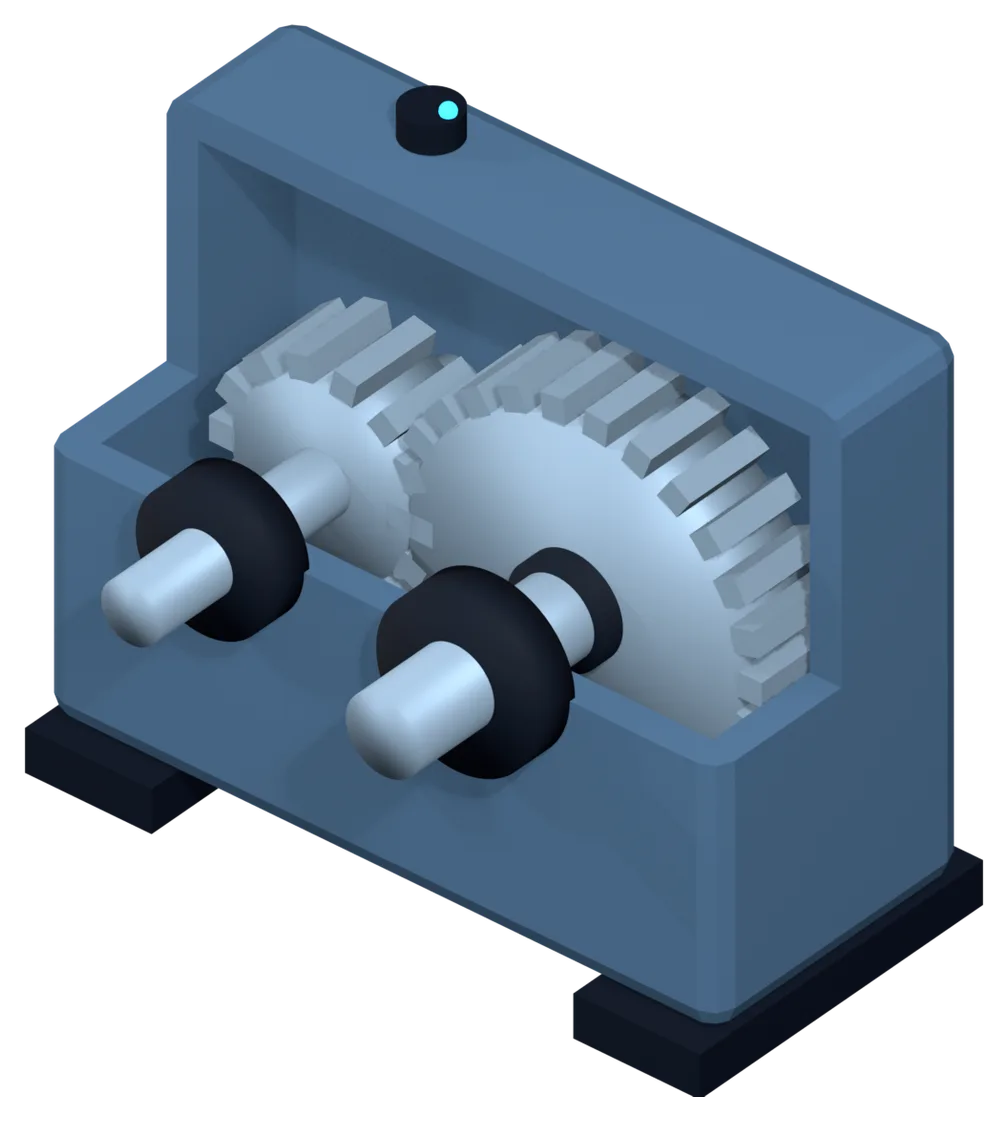
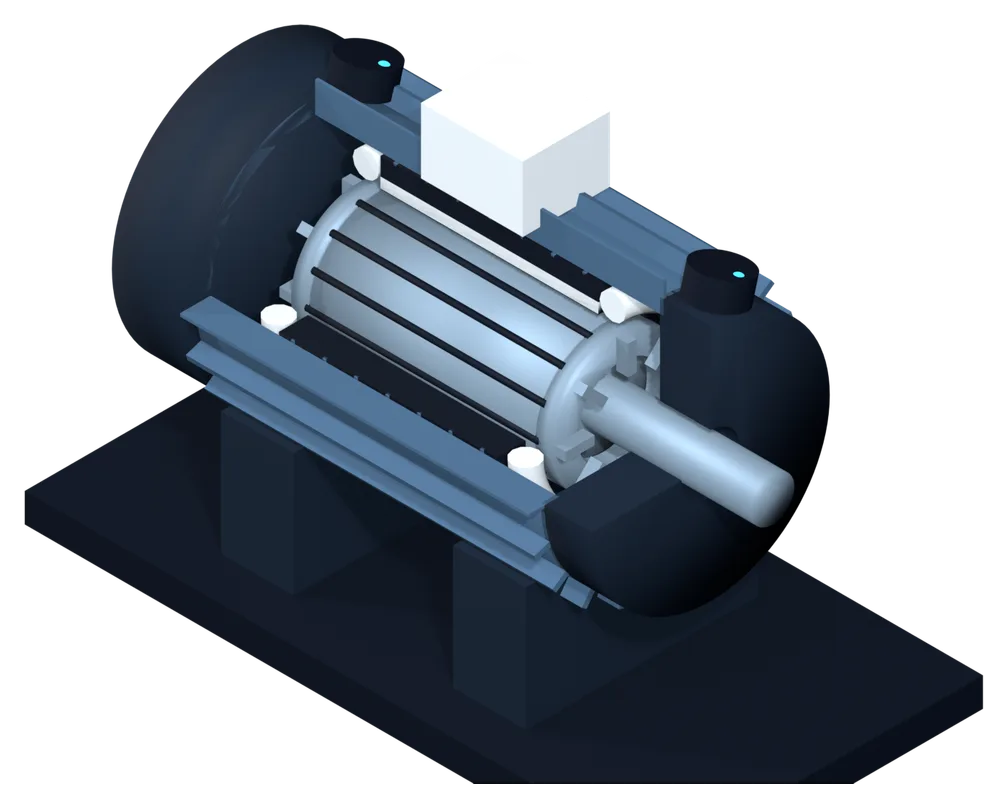
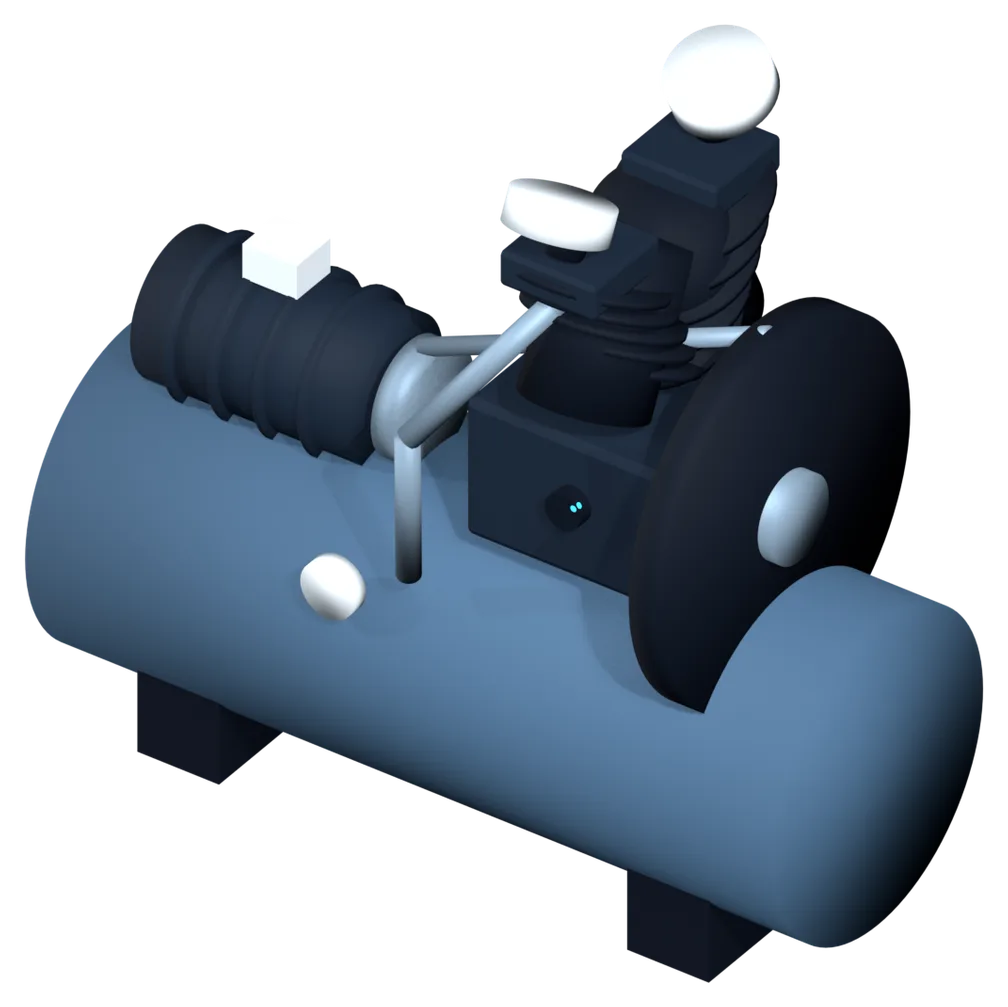
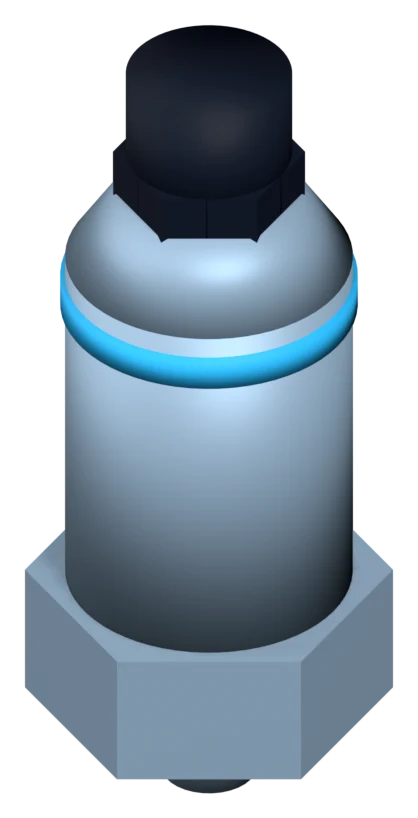
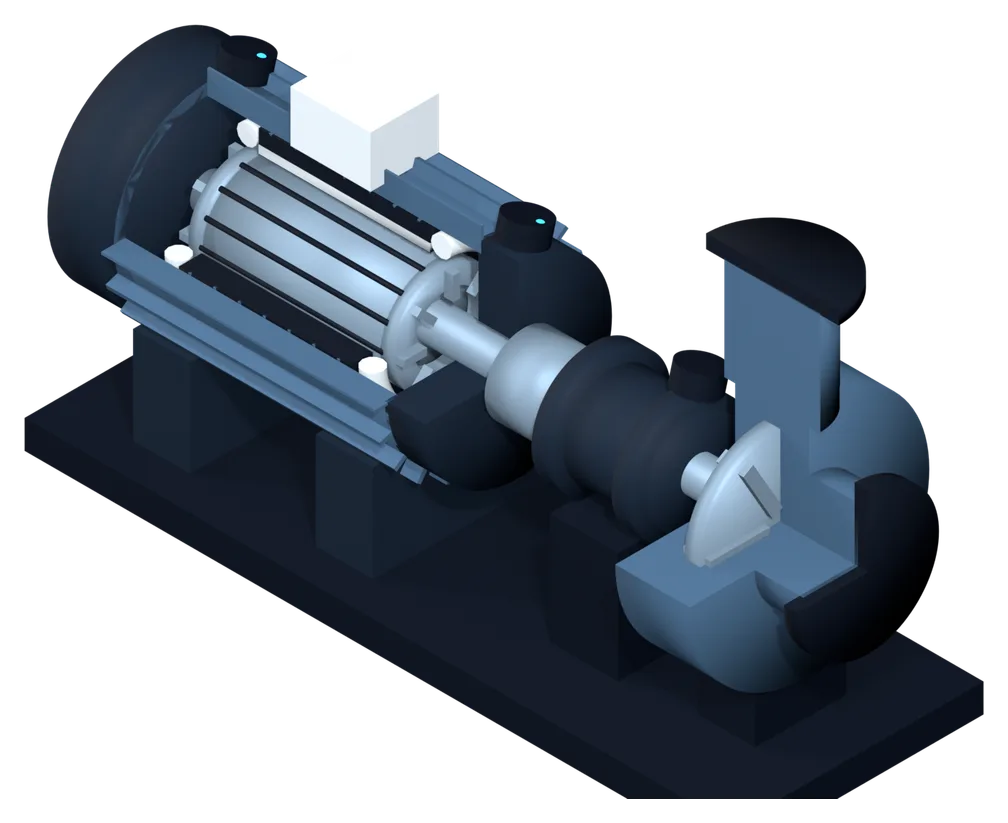
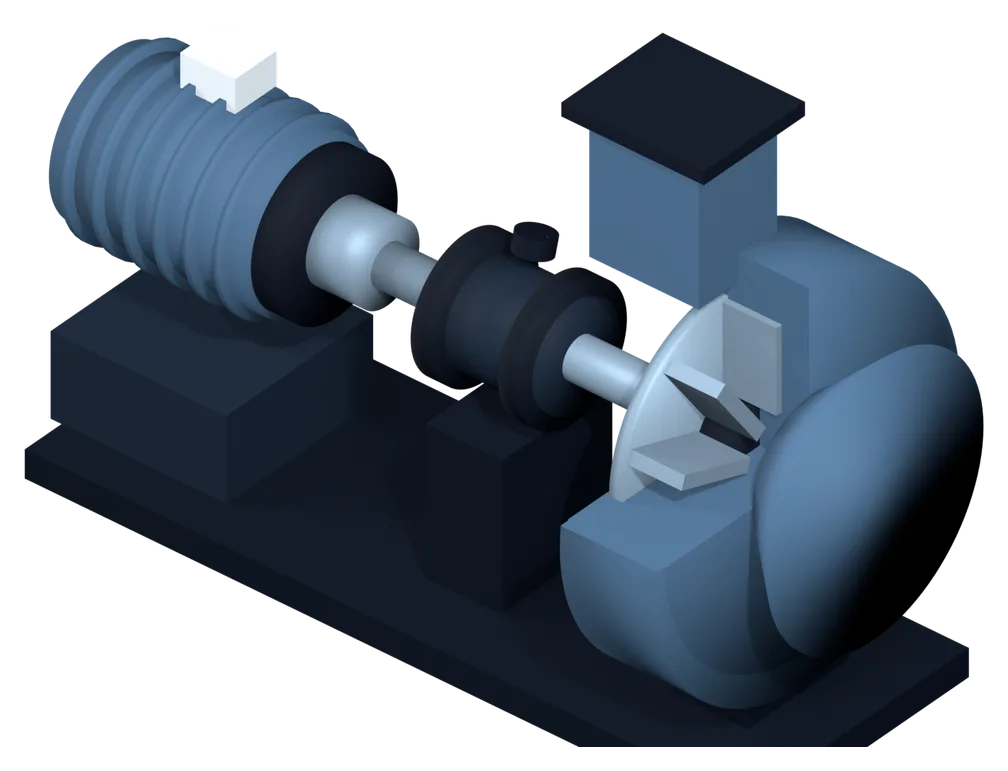
Five typical machine classes — spin the models. Cyan dots mark where vibration sensors go; drive current is taken by CTs in the cabinet, with no sensor on the machine and no shutdown.

3D Spin the models — measurement points are marked
3D model of a pump set: motor, coupling, centrifugal pump with a volute cutaway
drag to rotate · scroll to zoom
Where it appears
CentrifugalBoiler feedSlurry
Where we look — click
Effect: Cavitation and misalignment — 1–2 weeks ahead; bearings — months before failure.
Signal chain From sensor to diagnosis
Vibration diagnostics
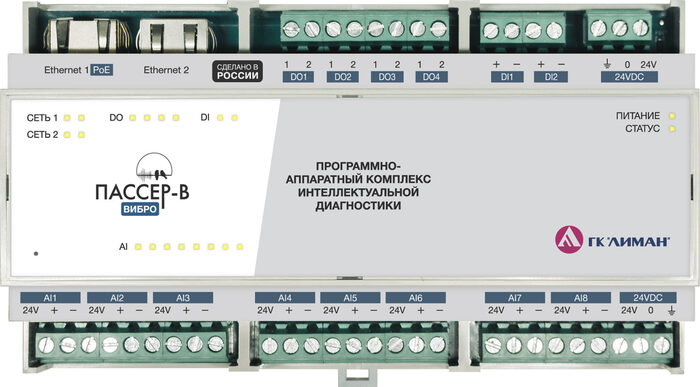
Passer-V + FFT/envelope on Larus
Current diagnostics
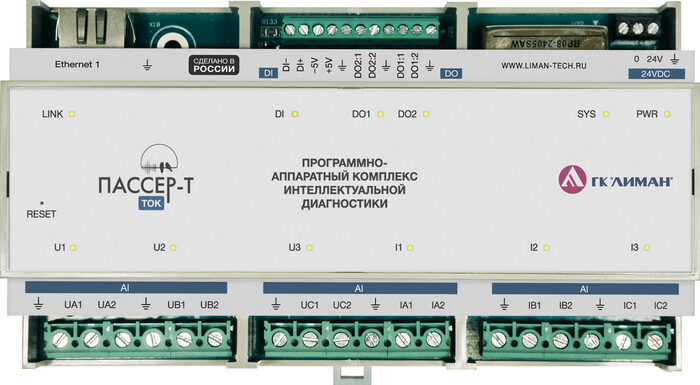
Passer-T + motor current signature analysis (MCSA)
APC optimisation
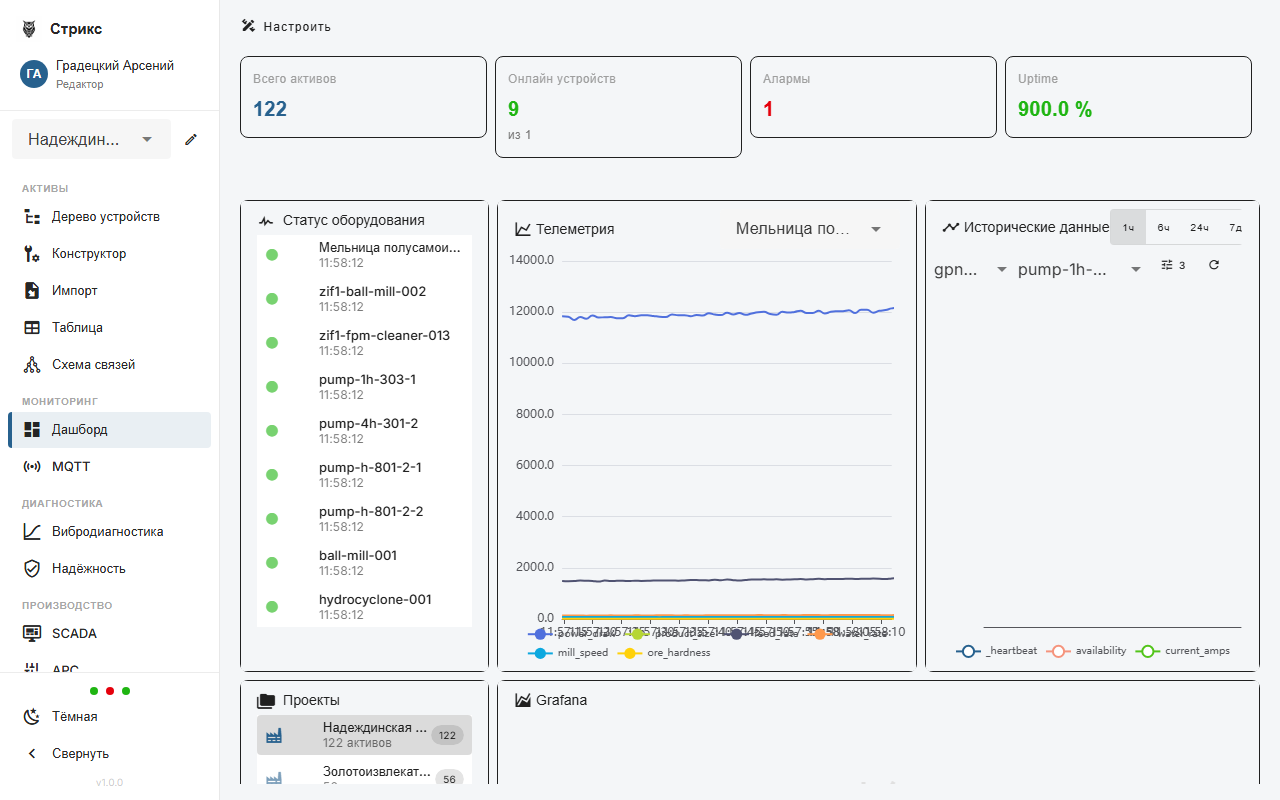
Strix platform + soft sensors + predictive control loops
Computer vision
Cameras + Strix CV apps on Larus-1000
By process stage

Where Liman-Tech applies — stage by stage

For each stage: the equipment worth monitoring and what each method delivers. No fluff.

1

Pumps

Equipment
Centrifugal, feed, slurry, dosing pumps, hydraulic power units
Vibro Bearings, cavitation, impeller imbalance, misalignment with the drive, mechanical seals
Current Overload and underload, operating regime, motor condition with no sensor on the machine
Effect: Cavitation and misalignment — within 1–2 weeks; bearings — within months
2

Fans and induced-draught fans

Equipment
Draught machines, exhausters, aspiration, cooling towers, tunnel ventilation
Vibro Imbalance from buildup and blade wear, bearings, loose mounts
Current Drive load, consumption trend as an indicator of the airway's condition
Effect: The buildup trend shows up weeks ahead — cleaning instead of wrecked bearings
3

Compressors

Equipment
Reciprocating, screw, centrifugal; blowers
Vibro Valves, crossheads, bearings, screw-pair meshing, surge
Current Load cycles, idle running, condition of the drive motor
Effect: Valve and mechanical defects — months before failure
4

Gearboxes and mills

Equipment
Drive gearboxes, mill girth gears, conveyors, thickeners
Vibro Mesh frequencies, tooth wear and spalling, shaft bearings, mill trunnions
Current Drive load, skew, seizure
Effect: Mesh defects — within 2–6 months: critical when component lead times run 6–18 months
5

Electric motors

Equipment
Drives 0.4–10 kV: pumps, fans, mills, conveyors
Vibro Bearings, rotor imbalance, loose fastenings
Current MCSA: broken rotor bars, turn-to-turn faults, eccentricity — from the cabinet current, with no sensor on the machine
Effect: Rotor and winding defects — within months; diagnostics with no shutdown
6

Presses and hydraulics

Equipment
Hydraulic and mechanical presses, pumping stations, hydraulic accumulators
Vibro Power pumps: bearings, cavitation; mechanics: looseness, impacts
Current Load cycles, overloads, condition of the drives
Effect: Power-pump wear shows up in advance — no sudden line stoppage
7

Escalators and cranes

Equipment
Escalators, moving walkways, beam cranes, gantry cranes
Vibro Main-drive gearboxes, bearings, step-band and rope-block condition
Current Drive load, skews, operating regimes
Effect: Planned component replacement instead of a stoppage at rush hour
Strongest combinations

Where combined methods multiply the effect

Critical machine / pilot
Vibration + Current
1–5 machines: an early diagnosis of defects 2–6 months before failure.
Shop / process stage
Vibration + Current + RUL
A remaining-useful-life forecast for every unit — you plan repairs ahead of time.
Plant-wide fleet
Vibration + Current + RUL + condition-based maintenance
Spare parts and repairs follow the diagnosis, not the calendar. The maximum economic effect.
No in-house diagnostics team
Remote diagnostics
Your sensors — our diagnosticians: reports and forecasts on a subscription.
What we offer

Three rollout levels — pick by maturity

Level 1

Condition monitoring

Critical machines: level-based alarms, trends

Stack
Passer-V (vibration, raw signal up to 92 kHz) + Passer-T (current, MCSA) + Larus + a dashboard on Strix
Level 2

Diagnostics and forecasting

Per-unit diagnosis and remaining useful life (RUL)

Stack
FFT and envelope analysis on Larus + diagnostic models and RUL on Strix
Level 3

Condition-based maintenance

Repairs and spares follow the diagnosis, not the calendar

Stack
Strix (prioritized work orders, integration with CMMS/ERP) + remote diagnostics on a subscription

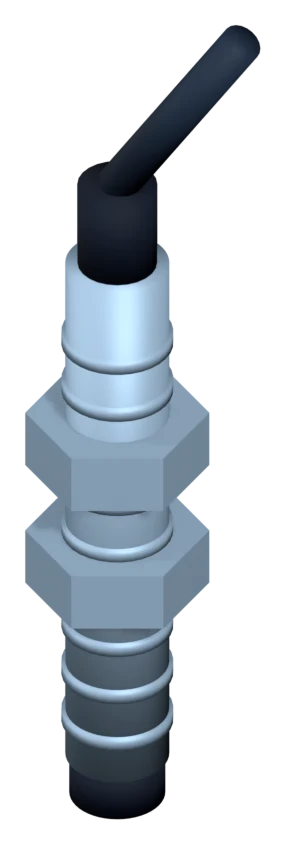
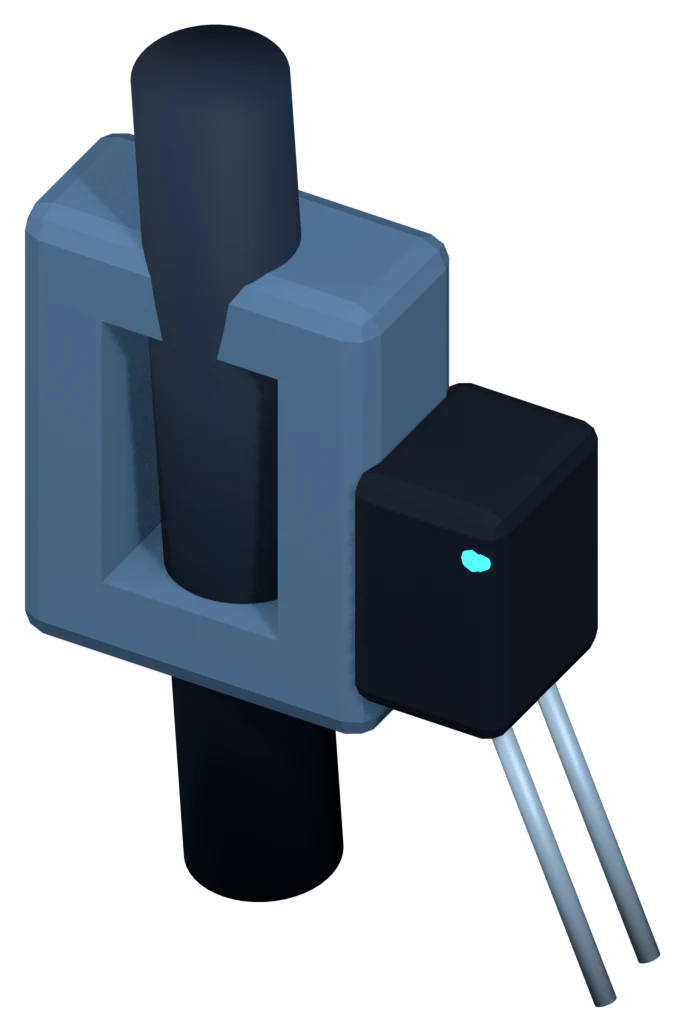
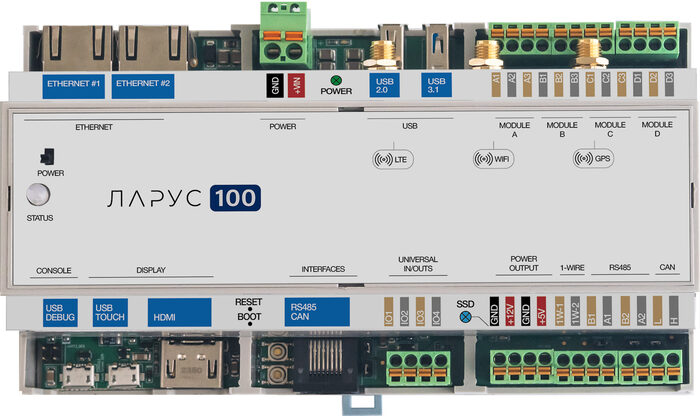
How it works. A vibration sensor (ICP) or a current transformer → the Passer-V / Passer-T acquisition controller (raw signal up to 92 kHz) → Larus (FFT, envelope analysis, buffering) → Strix: diagnosis, remaining-useful-life forecast, work orders into the CMMS. Other sensors (temperature, pressure) and controllers (PLC, CNC, meters) are polled by Larus directly — over Modbus and OPC UA.

Results in numbers

  • Bearing, mesh and winding defects — 2–6 months before failure
  • Cavitation, misalignment, imbalance — within 1–2 weeks
  • The move to condition-based maintenance: spares follow the diagnosis instead of a safety stock
  • Unexpected failures of critical machines → planned work in a convenient window

Industry benchmarks; the actual effect follows from a survey at your site.

Proven cases

  • The Moscow Metro — a hardware-and-software complex for escalator diagnostics and monitoring, in operation since 2021.
  • A major Russian gold producer — vibration-monitoring systems for process equipment at four gold processing plants: mills, crushers, slurry pumps — in industrial operation.
  • A heavy-engineering holding (nuclear power equipment) — an automated system for vibration monitoring and condition forecasting of dynamic equipment, in operation since 2026.

Diagnostics in your industry’s context: mining · metallurgy · transport · metalworking.

The human stays in the loop — Strix makes the diagnosis and computes the remaining life, while the decision to repair is made by your chief mechanic’s team. No in-house diagnostics team? We run it remotely: reports and forecasts on a subscription.
How to buy

Three commercial models

From outright purchase to a service model where you pay out of verified savings.

CAPEX — purchase

You own the hardware and software — the full effect is yours. Transparent and familiar; for critical infrastructure it is the only option.

MaaS — subscription

Monitoring-as-a-Service: 36 months, a monthly base fee plus a share of the verified effect. The performance risk is ours — no effect, nothing beyond the base.

ESCO — energy performance contract

Energy-saving measures with no capital outlay on your side: we invest, repayment comes out of verified savings.

One minute

Find out what we would see on your fleet

Pumps, fans, compressors, gearboxes, motors — tick what hurts and a manager comes back with specifics: which machines to monitor and how big the pilot should be.

  • We match the method mix to your equipment
  • We size the pilot and give you ballpark figures
  • We reply within one business day
1. What hurts right now (pick any)
2. Scale